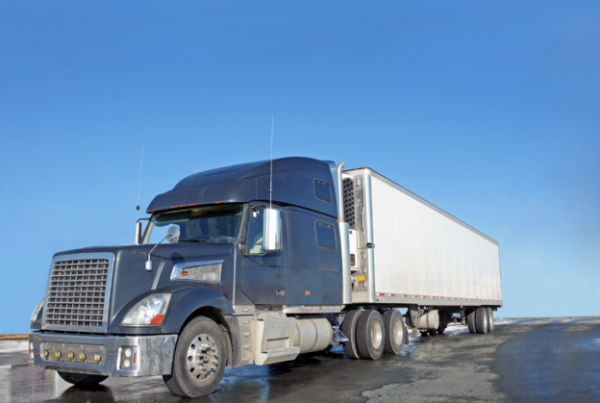


Freight shipping rates between Toronto and Vancouver depend on a complex set of variables that shift throughout the year. The 4,300 km corridor connecting Ontario to British Columbia is one of the busiest freight lanes in Canada, supporting retail distribution, manufacturing supply chains and import-export flows through the Port of Vancouver. Understanding the factors that drive shipping costs on this route helps businesses plan smarter and secure competitive freight quotes in 2026.
Trans-Inter Logistik, a freight transport broker with over 25 years of experience, works with an extensive carrier network to procure the best rates on this cross-country lane. This guide breaks down the key elements that influence freight shipping rates between Toronto and Vancouver.
Key factors that affect freight rates Toronto to Vancouver
Freight shipping rates on the Toronto to Vancouver corridor are never fixed. Multiple variables interact to determine the final cost of each shipment. Knowing what drives pricing allows shippers to optimize their logistics spend and negotiate better rates with carriers.
Distance and route on the Toronto Vancouver freight lane
The Toronto to Vancouver route spans approximately 4,300 km across four provinces and multiple climate zones. This long-haul distance is a primary cost driver for both FTL and LTL shipments. The route passes through the Ontario corridor, the Prairies and the Rocky Mountains in British Columbia, each presenting distinct operational challenges that influence carrier pricing.
Fuel surcharges and freight shipping costs in 2026
Fuel costs remain one of the most significant variables in freight shipping rates across Canada. Diesel prices fluctuate based on global energy markets and provincial carbon pricing policies. Most carriers apply a fuel surcharge that adjusts monthly or quarterly to account for this volatility. Shippers on long-haul routes like Toronto to Vancouver feel the greatest impact from fuel price swings. Carriers operating fuel-efficient fleets often provide more stable rate structures.
Freight class, weight and load characteristics
The nature of your cargo directly affects shipping rates between Toronto and Vancouver. Heavy, dense freight that approaches weight limits may incur surcharges, while lighter, bulkier loads that consume more trailer space also command higher per-unit rates. Temperature-controlled shipments of food, pharmaceutical or perishable goods require specialized equipment and carry premium pricing due to limited availability.
Directional demand on the Toronto Vancouver lane
Freight rates fluctuate based on supply and demand imbalances between the two cities. Westbound shipments from Toronto to Vancouver typically see higher demand driven by retail and consumer distribution. Eastbound freight from Vancouver to Toronto is often fueled by international imports arriving through the Port of Vancouver. This directional imbalance means rates can differ significantly depending on which way your freight is moving.
Get a competitive freight quote for the Toronto to Vancouver lane
FTL vs LTL shipping rates Toronto to Vancouver
Choosing between full truckload (FTL) and less-than-truckload (LTL) shipping significantly impacts your freight costs on the Toronto to Vancouver route. Each option serves different volume needs and budget considerations.
Full truckload freight rates Toronto to Vancouver
FTL shipping is the most cost-effective option when you have enough cargo to fill an entire trailer. With FTL, you pay for the full truck regardless of how much space you use, which means the more you load, the lower your cost per unit. FTL shipments also move faster because there are no intermediate stops for consolidation or deconsolidation. Standard transit times for FTL freight between Toronto and Vancouver typically range from 4 to 5 business days with team drivers.
LTL freight rates on the cross-Canada corridor
LTL shipping is ideal for businesses that ship between 1 and 6 pallets and do not require a full trailer. You only pay for the space your freight occupies, sharing the truck with other shipments. LTL transit times between Toronto and Vancouver generally fall between 5 and 7 business days due to terminal handling and consolidation. While LTL offers lower absolute costs for smaller loads, per-unit rates tend to be higher than FTL.
Intermodal freight rates between Toronto and Vancouver
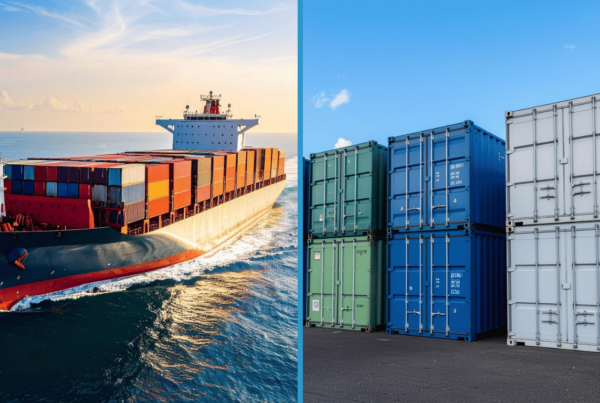
Intermodal transport combining truck and rail offers a cost-effective alternative for freight that is not time-sensitive. Rail carriers CN and CPKC operate extensive intermodal networks between Toronto and Vancouver. Intermodal shipping can reduce costs compared to straight trucking on this long-distance lane, though transit times are typically longer. A freight broker can determine whether intermodal is the right fit for your shipment profile.
Seasonal trends affecting Toronto Vancouver freight rates in 2026
Freight shipping rates between Toronto and Vancouver are not static throughout the year. Seasonal patterns create predictable fluctuations that informed shippers can plan around.
Peak season rate increases on the Toronto Vancouver route
Q4 holiday season drives significant rate increases as retailers rush to stock distribution centres across Canada. Pre-holiday freight demand peaks between September and November, tightening carrier capacity and pushing rates upward. Agricultural harvest months in Western Canada also create seasonal spikes as grain, produce and livestock compete for truck and rail capacity on the same corridors.
Off-peak shipping opportunities for lower freight costs
Q1 and early Q2 typically offer the most competitive freight rates on the Toronto to Vancouver lane. Post-holiday demand drops, carrier capacity opens up and shippers who can plan their volumes around these windows secure better pricing. Working with a freight broker who monitors market conditions helps identify the optimal timing for your shipments.
Transit times for freight shipping Toronto to Vancouver
Transit time is a critical factor alongside cost when shipping freight across Canada. The Toronto to Vancouver corridor traverses challenging geography and weather patterns that affect delivery timelines.
Standard transit times by shipping mode
FTL shipments with team drivers typically arrive in 4 to 5 business days. Single-driver FTL takes 5 to 6 days due to mandatory rest cycle regulations. LTL freight averages 5 to 7 business days depending on terminal schedules and consolidation. Intermodal rail-truck combinations generally require 7 to 10 business days. For urgent shipments, expedited and dedicated truck options can reduce transit times significantly.
Weather and geography impact on the Toronto Vancouver route
Winter shipping between Toronto and Vancouver presents unique challenges. The Rocky Mountains through British Columbia, particularly Kicking Horse Pass, are prone to heavy snowfall, avalanche closures and reduced visibility. The Prairies in Saskatchewan and Manitoba can experience whiteout conditions and extreme cold. These factors can delay shipments by 1 to 3 days during severe weather events. Experienced carriers with mountain-ready equipment and winter contingency plans mitigate these risks.
Let Trans-Inter Logistik optimize your cross-Canada freight logistics
How a freight broker helps you get better shipping rates
Partnering with a freight transport broker is one of the most effective ways to secure competitive freight shipping rates between Toronto and Vancouver. A broker acts as an expert intermediary between your business and a network of verified carriers.
Access to a wide carrier network for the Toronto Vancouver lane
A freight broker like Trans-Inter Logistik maintains relationships with hundreds of carriers across Canada. This network provides access to competitive rate options that individual shippers cannot achieve on their own. The broker identifies carriers with available capacity on the Toronto to Vancouver corridor and negotiates pricing based on volume, frequency and service requirements.
Rate optimization and freight cost management
Beyond securing quotes, a broker analyzes your shipping patterns to identify cost-saving opportunities. This includes evaluating whether FTL, LTL or intermodal is the most economical option for each shipment, timing shipments to avoid peak-season surcharges and consolidating loads where possible. Trans-Inter Logistik has been helping Canadian businesses optimize their supply chain logistics for over 25 years.
Shipment tracking and cargo visibility on the cross-Canada route
Modern freight shipping demands real-time visibility. A freight broker provides tracking and traceability for every shipment moving between Toronto and Vancouver, keeping you informed of estimated arrival times and any delays. This visibility allows businesses to manage inventory, coordinate receiving schedules and keep customers updated throughout the transit.
Accessorial charges that affect Toronto Vancouver freight rates
Beyond base freight rates, several accessorial services can add to your total shipping cost on the Toronto to Vancouver lane. Understanding these charges in advance helps you budget accurately.
Common accessorials on the cross-Canada freight route
Tailgate (liftgate) delivery, residential delivery surcharges, inside pickup or delivery, appointment scheduling fees, detention and demurrage charges for loading and unloading delays and dangerous goods handling fees all contribute to the final cost. Providing accurate shipment details upfront, including dimensions, weight and any special requirements, helps avoid reclassification fees and unexpected charges.
FAQ: freight shipping rates Toronto to Vancouver
How much does it cost to ship freight from Toronto to Vancouver?
Freight shipping rates between Toronto and Vancouver vary based on shipment mode (FTL, LTL or intermodal), cargo type, weight, dimensions, seasonal demand and accessorial requirements. The best way to get an accurate rate is to request a quote from a freight broker who can assess your specific shipment details.
How long does freight shipping take from Toronto to Vancouver?
Standard FTL transit times range from 4 to 6 business days. LTL shipments typically take 5 to 7 business days. Intermodal rail-truck options average 7 to 10 business days. Winter weather conditions can add 1 to 3 days during severe events.
Is FTL or LTL cheaper for Toronto to Vancouver freight?
FTL offers a lower per-unit cost for larger shipments that fill a trailer, while LTL is more affordable in absolute terms for smaller loads of 1 to 6 pallets. A freight broker can compare both options and recommend the most cost-effective solution based on your volume.
Can a freight broker get me better rates than booking directly?
A freight broker has access to a broader carrier network and negotiates rates based on combined volume across multiple clients. This leverage typically results in more competitive pricing than individual shippers can secure on their own, especially on high-demand lanes like Toronto to Vancouver.
What is the best time of year to ship freight from Toronto to Vancouver?
Q1 (January to March) and early Q2 typically offer the most competitive rates due to lower post-holiday demand and increased carrier availability. Q4 (September to December) sees the highest rates driven by holiday retail surges and reduced capacity.