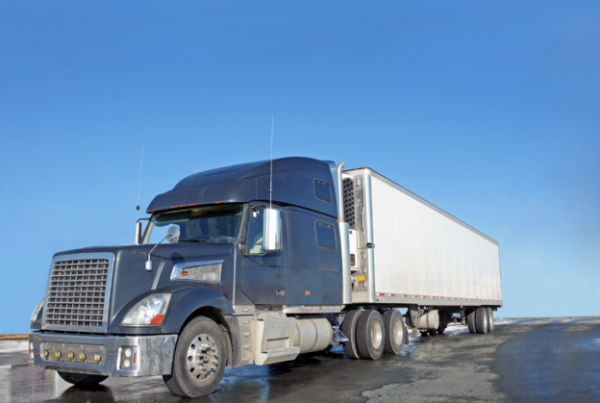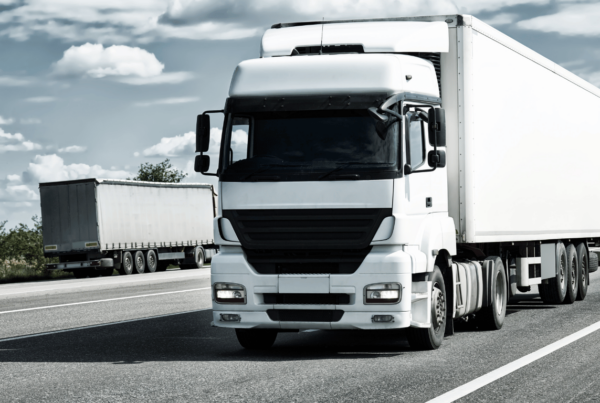

Road freight transportation represents the central pillar of logistics in North America. Whether for local shipments or cross-border deliveries, trucking remains the preferred mode of transportation for businesses across all sectors.
But what explains this predominance of road freight? In this article, we explore the main advantages of truck transportation and why it remains essential in the modern supply chain.
Need a partner for your road shipments?
Quick Overview: The 14 Advantages of Trucking
- Unmatched flexibility of truck transportation
- Door-to-door delivery service
- Efficient last-mile management
- Fast delivery times
- Full truckload (FTL) or less-than-truckload (LTL) options
- Diversity of specialized equipment
- Temperature-controlled freight transportation
- Authorization for dangerous goods transportation
- Real-time traceability and GPS tracking
- Integration into multimodal transportation
- Extensive geographic coverage
- Rigorous regulatory framework
- Progressive reduction of environmental footprint
- Wide choice of transportation providers
1. Unmatched Flexibility of Truck Transportation
Flexibility is the major asset of road transportation. Unlike rail or maritime transportation, trucks can take multiple routes and quickly adapt to unforeseen circumstances.
This flexibility allows shippers to modify pickup schedules, adjust destinations en route, and respond to urgent demands. Companies whose needs fluctuate according to seasons or production cycles particularly benefit from this adaptability of trucking.
2. Door-to-Door Delivery Service
Road transportation offers direct service from the point of origin to the final destination. This door-to-door delivery capability eliminates multiple transshipments and significantly reduces the risk of damage to goods.
Whether it’s a pickup at an industrial warehouse or delivery to an urban commercial area, trucks directly access the facilities of shippers and recipients without intermediate handling.
3. Efficient Last-Mile Management
Last-mile delivery often represents the most complex segment of the logistics chain. Truck transportation excels in this crucial step thanks to its ability to navigate urban environments and respect precise delivery windows.
Vehicles of different sizes, from straight trucks to semi-trailers, optimize each delivery according to access constraints and volumes to be transported.
4. Fast Delivery Times
Thanks to the dense road network covering North America, road transportation ensures competitive transit times. Well-maintained highways allow carriers to deliver quickly both locally and over long distances.
For urgent shipments, FTL transportation (full load) offers direct routes without multiple stops, guaranteeing the shortest possible delivery times.
5. Full or Partial Load Options
Road freight adapts to all shipment volumes. Companies can choose between full truckload (FTL) transportation for large volumes or LTL transportation (less-than-truckload) for smaller shipments.
FTL Transportation: Ideal for Full Loads
FTL transportation dedicates an entire trailer to your goods, eliminating intermediate handling and offering maximum security for your products.
LTL Transportation: Solution for Partial Shipments
LTL transportation consolidates multiple shipments in the same vehicle, offering a logistics solution suited to companies with variable volumes.
6. Diversity of Specialized Equipment
The trucking sector has a wide range of equipment to meet the specific needs of each type of freight. Enclosed trailers, flatbed platforms, curtain-side trucks, or refrigerated vehicles: each configuration meets particular requirements.
This diversity allows for the transportation of both standard palletized products and oversized equipment or construction materials requiring specific configurations.
7. Temperature-Controlled Freight Transportation
Transporting perishable goods and temperature-sensitive products requires rigorous control throughout the journey. Trucks equipped with refrigeration or heating systems maintain optimal conditions to preserve the integrity of goods.
This ability to maintain the cold chain is essential for the food, pharmaceutical, and cosmetic industries where product quality directly depends on transportation conditions.
8. Authorization for Dangerous Goods Transportation
Road transportation is authorized to transport dangerous goods according to strict regulations. Certified carriers have appropriate equipment and trained drivers to handle these cargoes safely.
Flammable, corrosive, or toxic products can thus be shipped in compliance with safety standards in force in Canada and the United States.
9. Real-Time Traceability and Tracking
Modern GPS tracking technologies allow complete visibility on the status and location of shipments. Fleet management systems transmit real-time information to shippers and recipients.
This traceability facilitates operations planning, allows anticipation of potential delays, and offers total transparency on the logistics chain.
10. Integration into Multimodal Transportation
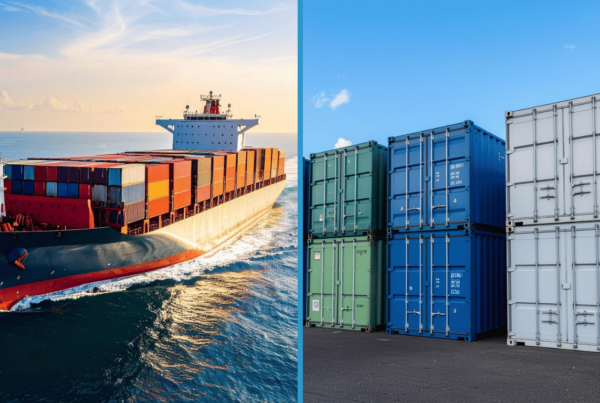
Road transportation integrates perfectly into logistics solutions combining multiple modes of transportation. Trucks handle pickup and final delivery segments, while rail or maritime can cover long distances.
This intermodal approach optimizes the overall efficiency of the supply chain by exploiting the strengths of each mode of transportation.
11. Extensive Geographic Coverage
The North American road network offers exceptional connectivity between all regions. From urban centers to rural areas, truck transportation serves destinations inaccessible by other modes of transportation.
This geographic coverage allows companies to reach their customers and suppliers throughout Canada, the United States, and Mexico via cross-border transportation.
12. Rigorous Regulatory Framework
Road freight transportation is subject to strict regulations that guarantee the safety of operations. Standards govern driver hours of service and rest periods, vehicle maintenance, and handling procedures.
This regulatory framework ensures a high level of professionalism in the industry and offers shippers peace of mind regarding service reliability.
13. Progressive Reduction of Environmental Footprint
The trucking industry continuously invests in cleaner technologies. New generation engines, alternative fuels, and route optimization contribute to reducing the environmental impact of road transportation.
Eco-driving initiatives and fleet modernization demonstrate the sector’s commitment to more sustainable logistics.
14. Wide Choice of Transportation Providers
The road transportation market offers a wide diversity of providers, from local companies to international networks. This competition stimulates innovation and allows shippers to find partners suited to their specific needs.
Working with a freight broker like Trans-Inter Logistik provides access to this vast network and benefits from expertise to select the optimal carrier for each shipment.
Optimize your logistics with an experienced broker
FAQ: Frequently Asked Questions About Road Transportation
What are the advantages and disadvantages of road transportation?
The advantages of road transportation include flexibility, door-to-door delivery, speed, and geographic accessibility. Among the disadvantages, we note vulnerability to weather conditions, traffic congestion in urban areas, and carbon footprint, although the latter is decreasing thanks to technological advances.
What are the advantages of being a truck driver?
The truck driver profession offers several advantages: autonomy in daily work, opportunity to travel and discover different regions, job stability in a constantly in-demand sector, and advancement opportunities toward fleet management or training positions.
What are the advantages and disadvantages of transportation in general?
Freight transportation, across all modes, enables the circulation of goods essential to the economy. Its advantages include commercial development and market access. Disadvantages include environmental impacts and infrastructure challenges. Road transportation stands out for its versatility compared to rail, air, or sea.
What is the importance of road transportation?
Road transportation constitutes the backbone of the modern supply chain. It handles the majority of freight deliveries and represents an indispensable link between producers, distributors, and consumers. Without trucking, stores could not stock their shelves and companies could not ship their products.