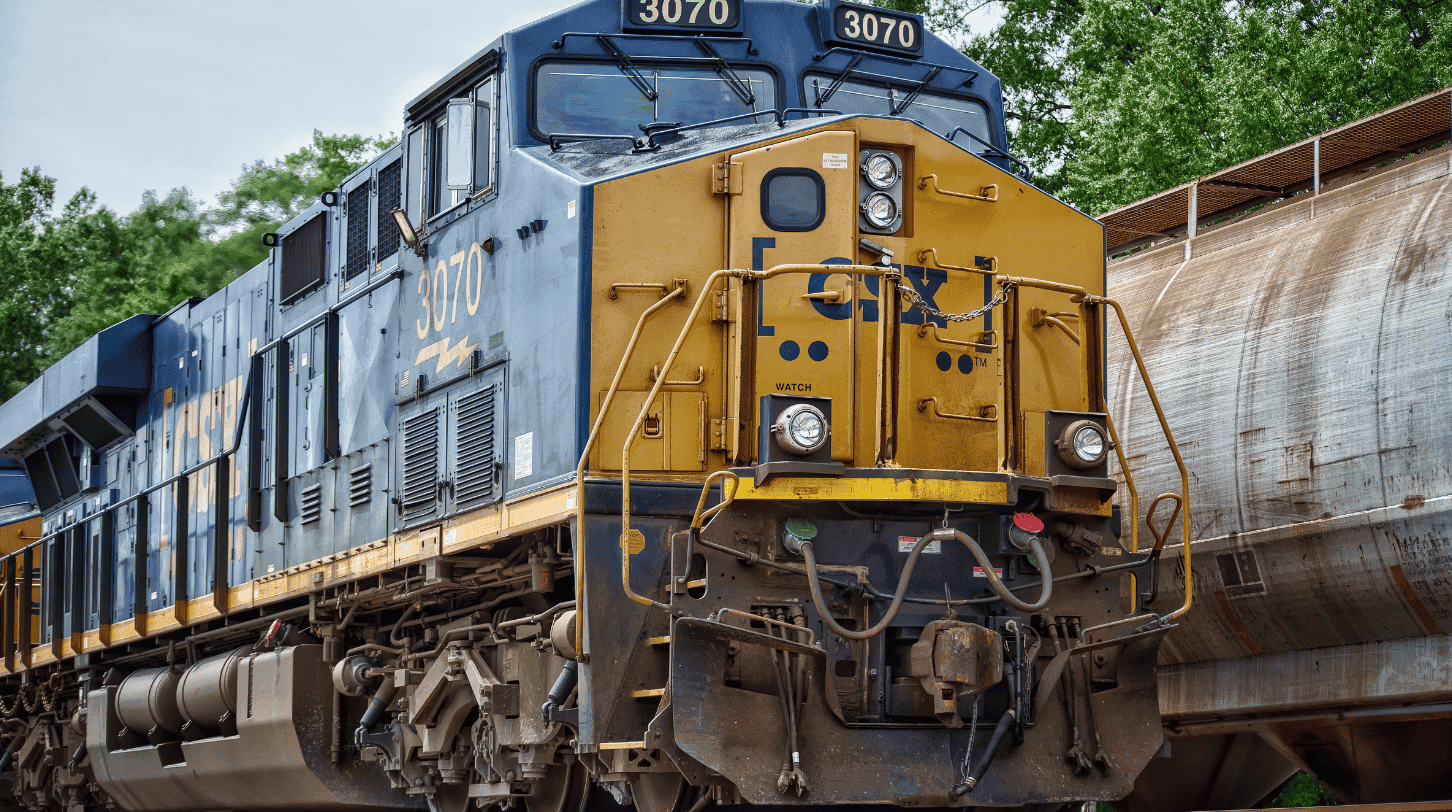

The disadvantages of rail freight deserve a thorough analysis before adding rail to your supply chain. Freight trains offer well-known strengths in terms of capacity and carbon footprint (see our article on the advantages of rail freight), but this mode of transport comes with real limitations for Canadian shippers. This guide examines the main drawbacks of shipping by rail and the alternative solutions for your shipments.
Lack of Flexibility in Rail Freight
The first disadvantage of rail freight is its operational rigidity. Unlike road transport, rail shipping relies on fixed schedules, predetermined routes and booking slots planned well in advance.
Fixed Schedules and Rigid Planning on the Rail Network
Businesses that ship by train must adapt to the railway network’s schedules rather than the other way around. Last-minute adjustments are rarely possible, which creates a major problem for urgent deliveries or unexpected changes in the supply chain. A freight broker can identify quick alternatives when rail doesn’t meet your timeline constraints.
Rail Is Unsuitable for Expedited Shipments
Rail freight is not designed for time-sensitive shipments. The loading, yard sorting and unloading stages add significantly to the total transit time. For shippers who need speed and responsiveness, road transport or air freight remain better-suited options.
Limited Rail Network Coverage in Canada
The second disadvantage of rail freight in Canada is the uneven coverage of the railway network. Some regions and industrial zones have no direct rail access, which makes it difficult to use rail as a primary shipping mode.
Uneven Rail Service Across Canadian Territory
Canada’s rail network is primarily oriented along the East-West corridor, connecting major urban centres and seaports. Remote regions or areas without rail connections force businesses to combine rail with other transport modes to complete the journey, which increases logistical complexity.
Rail Always Requires Multimodal Transport
One of the most practical drawbacks of rail is the inability to deliver directly to the final destination. Freight trains move cargo between terminals, but a truck is needed for the first and last mile. This extra handling adds costs and increases the risk of damage. Intermodal transport remains a sound solution when the distance justifies the rail-road combination.
Optimize Your Logistics with a Freight Broker
Longer Delivery Times with Rail Freight
The third major disadvantage of rail freight is the slower transit on short and medium distances. Rail shipping is efficient over long hauls, but delivery times often exceed those of trucking for regional shipments.
Extended Transit Times Due to Rail Yard Operations
Freight trains pass through classification yards where railcars are sorted by destination. These operations add hours — or even days — to the total transit time. On top of that, freight trains share tracks with passenger trains, which can create additional wait times on busy corridors.
Sharing Tracks Between Freight and Passenger Rail
In Canada, VIA Rail passenger trains run on tracks owned primarily by freight companies such as CN and CPKC. This shared infrastructure creates scheduling conflicts that can delay freight shipments, particularly during peak hours or when disruptions occur on the network.
Variable Costs and Uncertain Profitability of Rail Shipping
The fourth disadvantage of rail freight is a cost structure that doesn’t favour every type of shipment. Shipping by rail becomes cost-effective over long distances and high volumes, but loses its competitive edge on shorter routes.
High Fixed Costs of Shipping by Train
The costs tied to terminal use, container handling and transloading operations are added on top of the base rail freight rate. For less-than-truckload shipments (LTL), these fixed costs often make rail less economical than LTL road transport. Full truckload shipments (FTL) over long distances remain the most cost-effective option by train.
Break-Even Point for Rail Freight by Distance
Rail freight becomes competitive beyond a certain distance and volume threshold. Below those thresholds, road transport offers a better cost-to-efficiency ratio thanks to direct delivery without transloading. An experienced freight broker can analyze your logistics flows and determine the most profitable transport mode for each shipment.
Vulnerability to Disruptions on the Rail Network
The fifth disadvantage of rail freight is its dependence on infrastructure and external conditions. A breakdown on a critical section of the network, maintenance work or severe weather can disrupt the entire rail system.
Impact of Harsh Weather on Rail Freight in Canada
Canadian winters pose particular challenges for rail shipping. Freezing temperatures, heavy snowfall and winter storms can shut down service for several days. Weather-related derailments cause cascading delays across the entire network. For time-sensitive shipments, diversifying your transport modes with the help of a broker reduces the risks tied to these disruptions.
Strikes and Labour Disputes in the Rail Sector
Canada’s rail sector has experienced several work stoppages in recent years, temporarily paralyzing supply chains nationwide. This dependence on a small number of rail operators represents a logistics risk that businesses need to plan for by arranging alternative transport solutions.
Fragile Goods and the Limits of Rail Shipping
The sixth disadvantage of rail freight relates to the nature of the products being shipped. Constant vibrations, jolts during yard switching and sudden stops increase the risk of damage to fragile goods. Products requiring temperature-controlled shipping are also harder to manage by rail than by refrigerated truck.
Evaluate Your Transport Options with Trans-Inter Logistik
Alternatives to Rail Freight for Your Goods
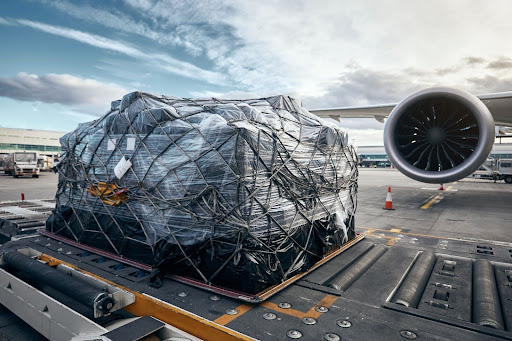
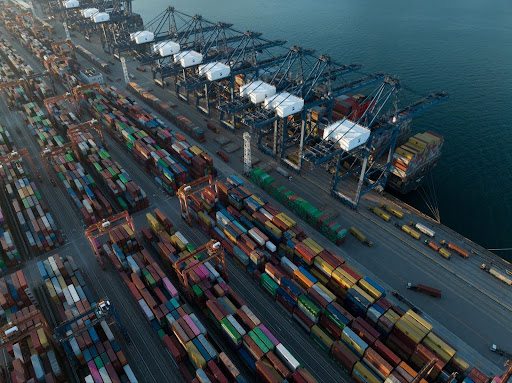
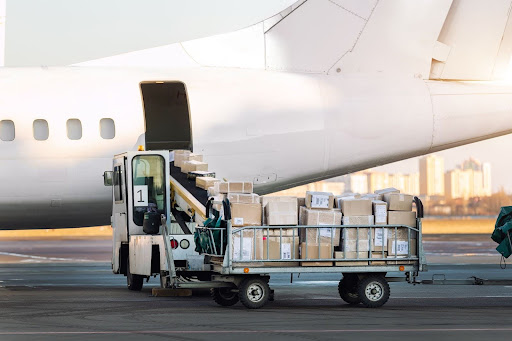
Despite the disadvantages of rail freight, rail remains an important link in Canada’s supply chain. The key lies in choosing the right transport mode based on the nature of your goods, your timelines and your destinations. Trans-Inter Logistik, a freight broker with over 25 years of experience, analyzes your needs and recommends the optimal combination of road transport, air freight, ocean freight and intermodal shipping.
FAQ: Frequently Asked Questions About the Disadvantages of Rail Freight
What is the main disadvantage of rail freight?
The main disadvantage of rail freight is its lack of flexibility. Rail cannot deliver directly to the final destination and always requires trucking for the first and last mile.
Is rail freight cost-effective for small shipments?
Rail freight is generally less cost-effective for small shipments (LTL) due to the high fixed costs associated with handling and transloading operations. Road transport often offers a better cost-to-efficiency ratio for low-volume shipments.
What are the alternatives to rail freight in Canada?
Alternatives include FTL and LTL road transport, air freight for urgent shipments and ocean freight for international cargo. A freight broker like Trans-Inter Logistik can determine the best-suited mode for each shipment.
Is rail freight reliable during winter in Canada?
Harsh Canadian winters can disrupt the rail network with delays caused by freezing, snow and storms. Businesses that rely on rail during winter should plan alternative transport solutions to secure their supply chain.