Ocean freight

A container to send out, or one to bring in? Tell us where from and where to, and we will build the plan.

Request a Quote

A well-planned container always costs less than a container sitting at the terminal.

Ocean freight remains the most economical and the most environmentally sound way to move large volumes, provided someone holds the chain together from end to end. Trans-Inter Logistik coordinates your full container loads (FCL) and your consolidated shipments (LCL) internationally, between Canada, the United States, Asia, Europe and other overseas markets, as a freight forwarder, with 25 years in the trade behind every booking.

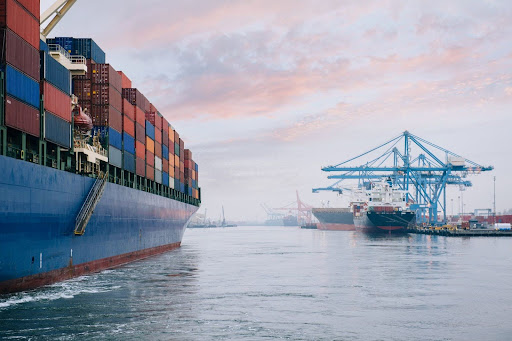
Container ship carrying ocean freight coordinated by Trans-Inter Logistik

What we organize in ocean freight

We do not operate a single vessel, and that is precisely the advantage. Ocean freight is won on the choice of service and sailing date, not on owning container ships.

We place your cargo on the service that best covers your corridor, from the port of origin to the port of destination, instead of selling you the one we happen to operate.

FCL

Full container load (FCL)

Your goods travel alone in a container sealed at origin and opened at destination. It is the right call once the volume fills the container, when the cargo does not take handling well, or when the deadline matters: fewer touches, fewer transshipments, a more direct transit.

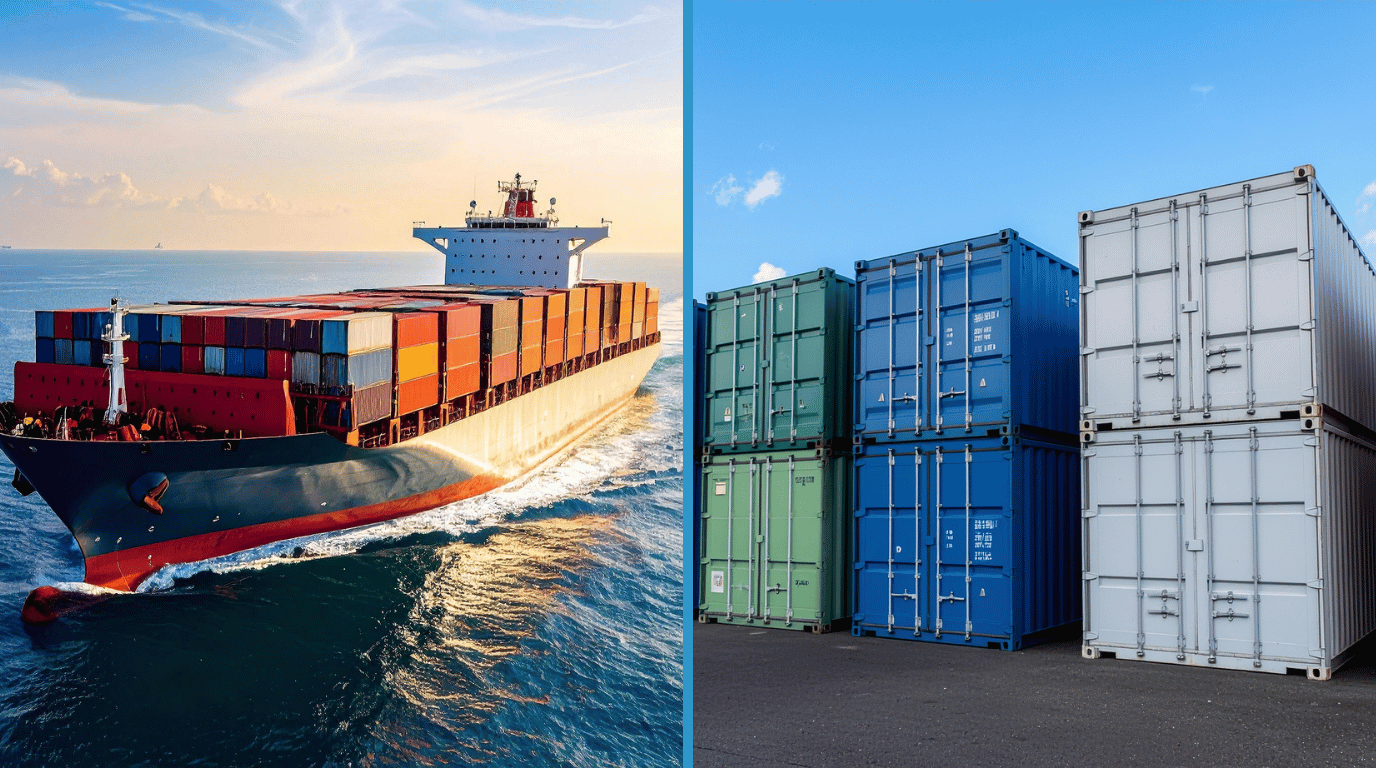
To decide between a 20-foot, a 40-foot or a high cube, our guide to shipping container sizes gives the exact dimensions.

LCL

Ocean consolidation (LCL)

You pay for the space you occupy, not for the whole container. We consolidate your shipment with other goods bound for the same destination, container stuffing and de-stuffing included at both ends.

It is the logical entry point for small and mid-sized businesses importing irregular volumes, or testing a new supplier before moving up to a full container.

Special equipment

Special equipment and out-of-gauge cargo

Reefer containers for the cold chain, open top and flat rack for anything that exceeds standard height or width, tank containers for liquids, ventilated containers for products that need to breathe. When the inland leg has to stay under a controlled temperature, we continue with our temperature-controlled shipping.

Securing and packing inside the box determine what condition the goods arrive in. We validate the loading plan before stuffing rather than assessing the damage at de-stuffing.

For dangerous goods, we coordinate carriers and lines that comply with the IMDG Code. Classification and declaration remain the shipper's responsibility, and we tell you exactly which documents to prepare.

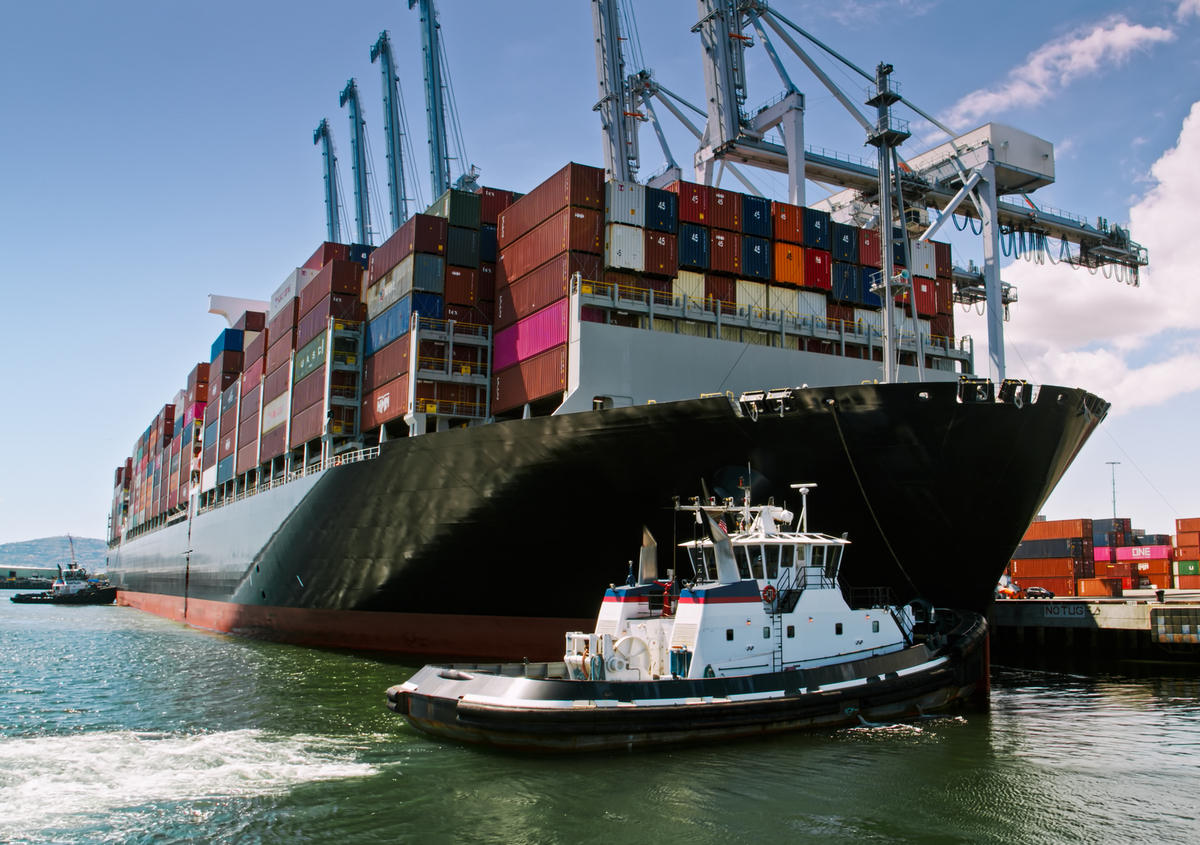
Intermodal container transfer between ship, rail and road

Door to door, not just port to port

A container discharged is not a container delivered. We arrange port drayage from the terminal, the intermodal rail leg over long distances, and final delivery by road transport to your dock.

This multimodal chain, ocean then rail or road, avoids transloading between modes and keeps your supply chain continuous.

Get your ocean freight rate

Tell us what, where from and where to, and by when: we come back with the right service, FCL or LCL, and the right port of entry.

Request a Quote

How an ocean shipment comes together

Ocean freight leaves very little room for improvisation, because every step has a cut-off. Here is how we work.

  1. You share the details. Commodity, weight, volume, the Incoterm agreed with your supplier, origin, destination and target date.
  2. We recommend FCL or LCL. Based on actual volume, cargo value, fragility and your tolerance for transit time.
  3. We book the space. With the ocean carriers offering the best balance of sailing date, transit time and reliability, ahead of the booking cut-off.
  4. We build the document file. Bill of lading, commercial invoice, packing list and HS code verified before loading, because bad paperwork gets paid for at the port.
  5. We work with your customs broker. Customs clearance is theirs to handle; our role is to hand them a complete file early enough that nothing stalls on arrival.
  6. We track through to delivery. Departure, transshipment, arrival, container availability and final delivery, with a single point of contact for the whole journey.

Documents and compliance: what holds a container at the port

Customs is the leading cause of delay and unplanned charges in ocean imports, ahead of weather and port congestion. We partner with licensed customs brokers who take charge of customs clearance, and we prepare the file so it clears the first time.

The documents that determine whether a container is delivered or held:

Ocean freight documentation and cargo declaration
  • the ocean bill of lading, which serves as the title document for the cargo;
  • the commercial invoice, with the real value and an exact description;
  • the packing list, weight and dimensions per package;
  • the HS code, which determines the tariff classification and the duties that apply;
  • the certificate of origin, when a trade agreement opens preferential treatment;
  • the Incoterm, which states precisely where your supplier's responsibility ends and yours begins.
Incoterms

Incoterms are not a contractual footnote: plenty of importers find out too late that the term they agreed to left them paying the terminal handling charges at destination. Our article on the role of the freight forwarder explains who does what along this chain.

What moves your cost and your transit time

Nobody can price ocean freight without knowing these variables. Here they are, plainly, because they drive your costs as much as the base rate does:

  • the ratio of weight to volume, because a container rarely reaches both of its limits at once;
  • the season, with the peak that precedes Chinese New Year and the fall peak, when space gets scarce;
  • port congestion and transshipments, which stretch the actual transit time far more than the ocean crossing itself;
  • demurrage and detention charges, billed as soon as the container sits too long at the terminal or at your facility;
  • terminal handling and other handling charges, routinely left out of rate comparisons;
  • the nature of the cargo, refrigerated, hazardous or out-of-gauge, each with its own set of rules.

On transit times, our article on how long ocean freight takes gives the typical transit ranges by corridor.

Global ocean shipping connectivity between ports

Your corridors and your ports of entry

Your imports and your exports do not necessarily move through the same ports. Montréal, Halifax and Vancouver handle most of Canada's containerized traffic, and we pick the point of entry based on your final destination and the inland cost that follows, not out of habit.

Importing from Asia

The transpacific lane takes more than a booking: sourcing, inspection of the goods at source and supervision of the supplier. That is the subject of our import from Asia page; this one covers the ocean mode, from the port of origin to your dock.

Europe, Latin America and overseas

Sailings in FCL and in LCL to the major export markets, with the shipping line chosen on the price and transit trade-off. Our freight brokerage teams in Montréal then orchestrate the inland leg across North America.

What we do not do

We handle containerized cargo. Bulk in full shiploads, ores, grain or liquids by tanker, belongs to chartering and to shipowners, not to a freight forwarder. If that is your need, we tell you straight instead of selling you a slot.

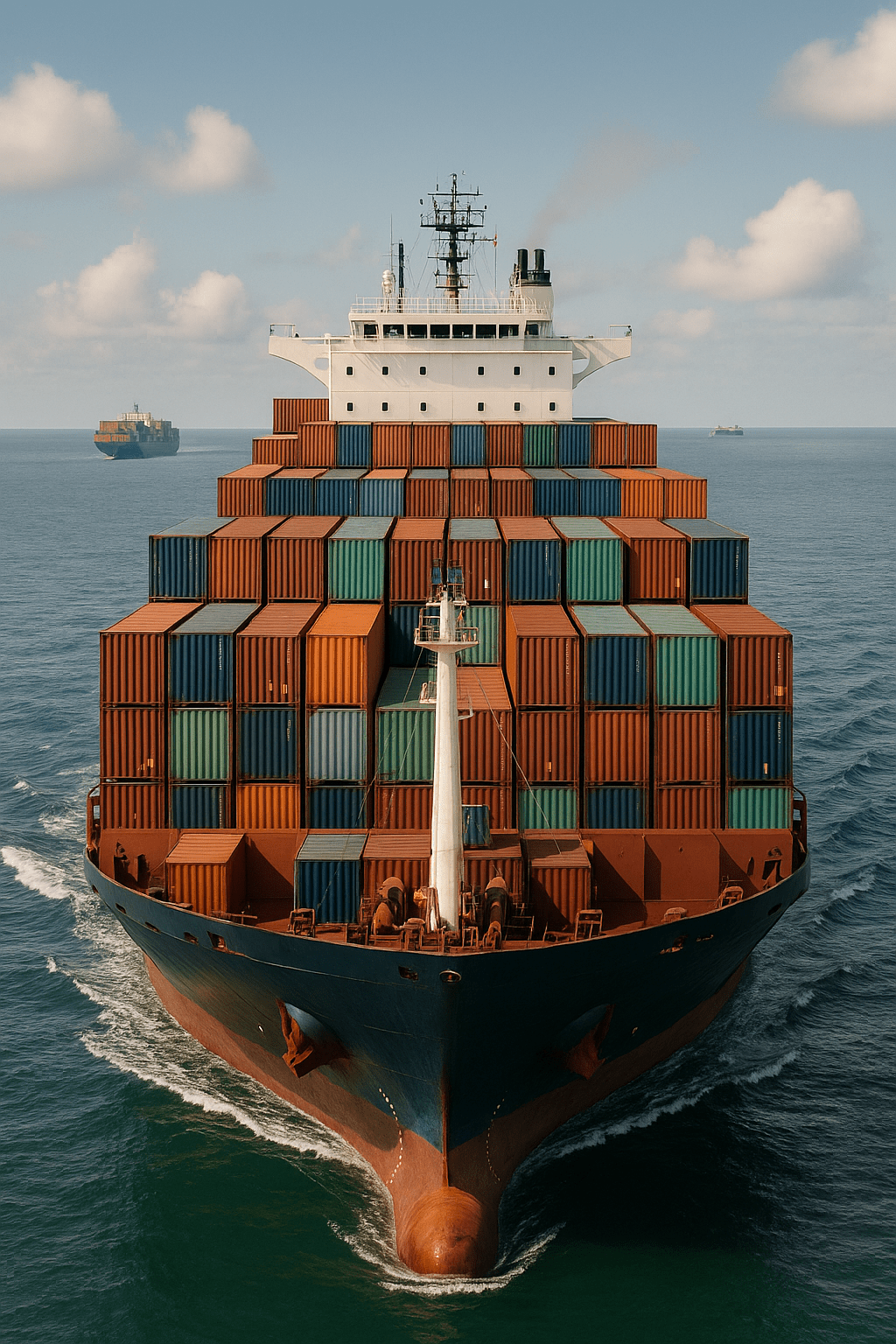
Trans-Inter Logistik ocean freight forwarding network

Why Trans-Inter Logistik as your ocean freight forwarder

  1. Twenty-five years of brokerage. Active since 2000 out of Laval, Québec, we know the corridors, the documentary traps and the weeks when capacity disappears.
  2. A network, not a fleet. We compare several shipping lines and vetted carriers instead of imposing a single schedule on you, and you know where your container is with real-time tracking.
  3. Every mode under one roof. If part of the volume has to land before the vessel does, we switch to air freight without changing your point of contact.
  4. A chain covered end to end. We advise you on cargo insurance and we can take over with 3PL logistics if you would rather delegate more broadly.

The vessel takes weeks. A document error takes months.

Frequently asked questions about ocean freight

Consolidation stays the better deal as long as your goods take up a small share of the container. Past roughly fifteen cubic metres, a full container load generally becomes more attractive, and it sometimes does sooner if the cargo is fragile or urgent, because it avoids being stuffed and de-stuffed alongside other shipments.

It depends on the corridor, the number of transshipments and the season, and the time at sea is only part of the door-to-door transit. Our guide to ocean freight transit times sets out the typical ranges, and our comparison of air freight and ocean freight helps you decide when the date is tight.

A licensed customs broker. We do not clear customs in their place: we partner with customs brokers, we prepare and verify the documentation, and we plan the arrival so the formalities cost you neither waiting time nor demurrage.

It is strongly recommended, because an ocean carrier's liability is capped by international convention and rarely covers the real value of your cargo. See our page on what cargo insurance covers before you load.

Your ocean freight partner

Ready to send your goods across the ocean? We take care of the container. You run your business.

Request a Quote