
Choosing the right shipping method is essential for businesses that move products across international markets. Air freight and ocean freight each offer clear advantages, and the best option depends on how quickly your goods must arrive, how much you are shipping, and the level of cost efficiency your supply chain requires. Understanding how these two modes differ helps companies avoid delays, unnecessary expenses, and disruptions that affect customer satisfaction.
This guide explains how air and ocean freight work, compares their costs and transit times, and outlines the types of cargo best suited for each method. You will learn how lead time, reliability, environmental impact, and market conditions influence mode selection, and how a strategic approach to shipping can strengthen your overall logistics performance.
What Is the Difference Between Air Freight and Ocean Freight?
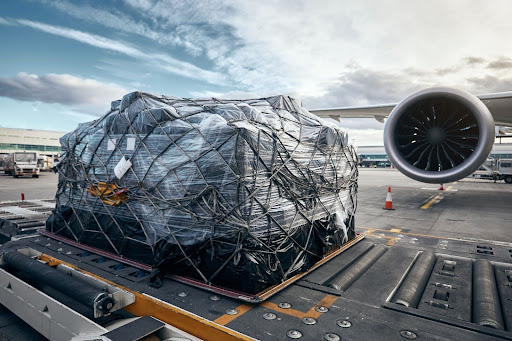
Air freight and ocean freight represent two fundamentally different approaches to international shipping, each optimized for distinct business needs and cargo profiles. Air freight involves transporting goods via cargo planes or passenger flights, prioritizing delivery speed and reliability for time-sensitive or high-value shipments.
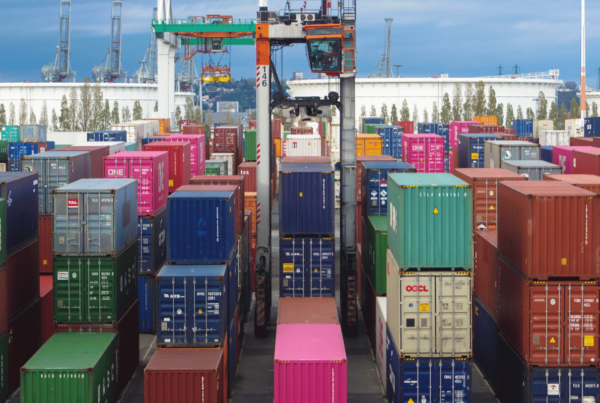
Ocean freight, by contrast, uses container ships and vessels to move large volumes of cargo across trade lanes at significantly lower costs per unit, making it the backbone of global commerce for bulk goods and cost-driven supply chain strategies. The choice between these modes affects every aspect of shipping operations, from transit times and freight rates to environmental impact and customs clearance processes, requiring businesses to carefully evaluate their specific requirements against the capabilities and limitations of each transport route.
Key Differences at a Glance
| Air Freight | Sea Freight | |
| Transit Times | 1-7 days on major routes | 15-45+ days depending on trade lane |
| Costs | $4-$8+ per kg typically | $0.50-$2 per kg for FCL shipments |
| Capacity | Limited by airplane size and weight restrictions | High volume capacity with shipping containers (20ft, 40ft TEUs) |
| Reliability | Higher schedule frequency, weather-sensitive | Subject to port congestion, blank sailings, rollover risk |
| Environmental Impact | Higher CO2 emissions per ton-km | Lower carbon footprint per unit shipped |
| Cargo Suitability | High-value electronics, perishable goods, fashion items, medical supplies | Bulk goods, heavy machinery, oversized cargo, full container loads |
Schedule a consultation with our logistics team
Air Freight vs Ocean Freight Cost
The cost difference between air freight and sea freight is significant, and understanding how each mode is priced helps businesses choose the most economical option. Air freight is typically priced by chargeable weight, which is based on either the actual weight or the volume of the cargo, whichever is greater.
This makes air transport best suited for lighter, high value, or time sensitive goods. Sea freight, on the other hand, is priced by container for full container loads or by volume for less than container loads, allowing companies to move large quantities of goods at a much lower cost per unit. While sea freight has longer transit times, it offers the most cost effective solution for bulk shipments, oversized items, and goods that do not require urgent delivery.
Get a quote for your shipment!
Air Shipping vs Sea Shipping: Transit Time and Reliability
Typical Air Transit Times on Major Trade Lanes
Air freight services deliver exceptional delivery speed across global trade lanes, with door-to-door transit times typically ranging from 3-7 days on major corridors. Asia to North America routes average 2-4 days flight time plus 1-2 days for customs clearance and ground transport.
Air freight between Canada and Europe is one of the fastest international shipping options available. Direct flights from major Canadian airports to key European hubs often take only one to two days from departure to arrival. Even shipments routed through secondary markets with one or two connections usually maintain total transit times of less than one week.
Average Ocean Transit Times and Variability
Ocean shipping operates on scheduled sailing frequencies but requires much longer transit times compared to air transport. For example, routes from Canada to major Asian ports often take 14 to 20 days at sea depending on the origin port and the final destination in Asia.
Shipments moving from Canada to Southeast Asia can take closer to 20 to 28 days due to longer routing and additional port calls. Trade lanes from Asia back to Canada follow similar ranges, with schedules influenced by weather, port congestion, and carrier capacity.
How Lead Time Affects Supply Chain Planning
Lead time plays a central role in determining which shipping mode best supports your operational and financial goals:
- Longer lead times in ocean freight require businesses to hold higher safety stock levels to protect against schedule variability, which increases inventory carrying costs even though the shipping cost per unit is lower.
- Shorter lead times in air freight support just in time inventory strategies, reduce warehousing needs, and improve cash flow by moving products to market much faster.
- Companies in fast moving sectors such as fashion and seasonal retail rely on quick replenishment, making the shorter transit times of air freight essential for meeting demand and reducing the risk of excess stock.
- Manufacturers with product life cycles measured in months benefit from the responsiveness of air freight, which helps avoid obsolescence and ensures timely delivery of critical components.
- When delivery certainty and market agility are priorities, the premium cost of air freight is often justified by better supply chain performance and stronger competitive positioning.
Cargo Suitability: When Air Freight Makes Sense
High Value or Time Sensitive Goods
Air freight services are great for high-value electronics, medical supplies, and priority shipments where shipping costs represent a small fraction of product value. Semiconductor equipment, smartphones, and specialized manufacturing components often move via cargo planes to minimize supply chain disruption costs. Urgent replacement parts for production lines or critical medical equipment justify air freight’s premium pricing when downtime costs far exceed transportation expenses.
Lightweight Cargo and Short Product Life Cycles
Products with favorable weight-to-value ratios maximize air freight economics. Fashion apparel, documents, samples, and consumer electronics under 100kg typically achieve reasonable shipping rates via air while capturing substantial time-to-market advantages. Seasonal merchandise, fast fashion collections, and tech product launches require delivery speed that ocean shipping cannot match. For eCommerce businesses managing short product life cycles or responding to volatile demand, air freight enables rapid inventory replenishment.
Perishables Requiring Fast Transit
Perishable goods including fresh flowers, seafood, pharmaceuticals, and certain food products mandate air transport to maintain quality and shelf life. Temperature-sensitive medical supplies and biologics require the controlled conditions and rapid transit times that cargo planes provide. Agricultural exports targeting premium markets use air freight to deliver products in peak condition, commanding price premiums that offset higher shipping costs.
Limitations and Restrictions for Air Transport
- Air transport has strict rules for dangerous goods, with many chemical products, pressurized containers, and flammable materials either heavily restricted or completely prohibited.
- Cargo size and weight are limited by aircraft door dimensions, available space in cargo holds, and maximum weight allowances, which prevents the movement of very large or oversized items.
- Temperature sensitive goods may require special equipment and advance coordination, and not all airports or carriers offer reliable cold chain handling.
- High fuel costs and carrier surcharges make air freight significantly more expensive for heavy or low value cargo, often making it impractical for cost driven shipments.
- Flight schedules, airport capacity, and weather related disruptions can affect availability, requiring careful planning when tight delivery windows are involved.
How Does Air Freight Work? A Step-by-Step Guide
Cargo Suitability: When Sea Freight Is the Better Choice
Bulky, Heavy, or Oversized Cargo
Sea freight is ideal for oversized cargo, heavy machinery, construction equipment, and dense commodities that cannot be moved by air. Automotive parts, industrial equipment, and furniture also benefit from the higher weight limits of ocean containers, which can hold roughly 28 to 30 tons depending on the size. Intermodal containers transfer easily between ships, rail, and trucks, making ocean freight an efficient multimodal option for large volumes moving through complex logistics networks.
Shipments That Are Cost Driven Rather Than Time Driven
When shipping costs directly impact product competitiveness and lead time flexibility exists, sea freight provides compelling economics. Low-margin consumer goods, raw materials, and commodities cannot absorb air freight premiums. Importers with predictable demand patterns build longer lead times into supply chain planning, using ocean shipping to minimize landed costs while maintaining adequate safety stock.
Full Container Load vs Less Than Container Load
Ocean freight offers flexibility through FCL and LCL shipment options. FCL provides exclusive container use, faster cargo handling, reduced damage risk, and simplified customs clearance, making it cost-effective for shipments filling 50%+ of a container. LCL shipments consolidate multiple shippers’ goods into shared containers, enabling smaller businesses to access ocean economics without filling entire shipping containers. Some logistics providers offer expedited LCL for shippers seeking middle-ground solutions between standard ocean and air freight rates.
Limitations and Restrictions for Sea Transport
Although sea freight supports large volumes and heavy cargo, it comes with several operational and regulatory limitations that businesses must consider:
- Transit times are significantly longer than air transport, which can extend supply chain lead times and increase inventory carrying costs.
- Port congestion, labor shortages, and weather events can cause unexpected delays that affect sailing schedules and delivery windows.
- Certain cargo types, including highly perishable goods or products with very short life cycles, may not tolerate long ocean transit durations.
- Hazardous materials require strict documentation and approved container types, and not all ports accept every category of dangerous goods.
- Some inland destinations may need complex coordination, since ocean freight still requires additional rail or truck transport to reach final delivery points.
How Long Does Ocean Freight Take? Guide to Transit Times
Ocean Freight vs Air Freight: Environmental Impact and Sustainability
The carbon footprint difference between shipping modes is substantial. Air freight produces significantly higher CO2 emissions per unit of cargo moved, while ocean shipping generates only a small fraction of that amount depending on the type of vessel and how full it is. Aircraft require far more energy to remain airborne, which makes air transport one of the most carbon intensive methods of commercial freight. Container ships achieve far better fuel efficiency because they move massive volumes of cargo at once, spreading energy use across thousands of units on a single voyage.
What Is a Sea–Air Strategy?
A sea air strategy combines ocean freight for the longest stretch of the journey with air freight for the final portion, creating a hybrid solution that balances cost and delivery speed. In this model, cargo often travels by container ship from Asia to major transit hubs in regions such as the Middle East, where it is then transferred to cargo aircraft for the flight to Europe or North America.
This approach offers faster delivery than an all ocean route while remaining far more economical than using air transport from origin to destination. Multimodal shipping allows businesses to take advantage of the capacity and cost efficiency of ocean transport over long distances while relying on air freight to shorten the final delivery timeline and improve supply chain responsiveness.
What is Cargo Insurance? Freight Transportation Guide
Air Freight vs Ocean Freight: How to Choose the Right Option for Your Business
Selecting the best shipping method depends on your cargo needs, delivery expectations, and overall supply chain strategy. Consider the following points when deciding between air and ocean transport:
- Choose air freight when speed is essential, delivery dates are fixed, or products have short life cycles that require fast replenishment.
- Select ocean freight when cost efficiency matters more than transit time and when you are moving large volumes, heavy items, or oversized cargo.
- Evaluate your inventory strategy, since air freight supports lean or just in time models, while ocean freight requires higher safety stock to absorb longer lead times.
- Consider your cargo type and any restrictions, especially for perishable goods, valuable items, or materials that require special handling or documentation.
- Review market conditions, available capacity, and seasonal demand, as these factors can influence rates and reliability for both air and ocean services.
What is Cargo Insurance? Freight Transportation Guide
Frequently Asked Questions About International Shipping
Is air freight faster than ocean freight?
Yes, air freight is much faster than ocean freight. Air transport delivers goods within days, while ocean shipping requires several weeks due to longer transit distances and port processes.
Is ocean freight cheaper than air freight?
Yes, ocean freight is generally far cheaper than air freight. Ships can move large volumes at a lower cost per unit, making ocean transport the most economical choice for heavy or bulk cargo.
What cargo is best suited for air freight?
Air freight is ideal for time sensitive, high value, lightweight, or perishable goods. It is commonly used for electronics, fashion, pharmaceuticals, urgent replenishment, and products with short life cycles.
Can I combine air and ocean freight in one shipment?
Yes, many businesses use multimodal or sea air solutions. These routes combine the cost efficiency of ocean transport with the faster final delivery of air freight, improving both speed and budget control.
How do market disruptions affect air vs ocean rates?
Market disruptions such as port congestion, reduced capacity, weather events, or geopolitical issues can increase rates for both modes. Air freight often becomes more expensive during sudden demand spikes, while ocean freight is more affected by port delays and schedule changes.
What is a 3PL Logistics Provider? Advantages of Third-Party Logistics
How Trans-Inter Logistik Helps Businesses Choose the Best Shipping Method
Trans Inter Logistik helps businesses choose the best shipping method by delivering freight solutions tailored to each client’s trade lanes, cargo requirements, and supply chain goals. Our team evaluates product profiles, delivery deadlines, and budget constraints to recommend the most effective mode, whether fast air freight for urgent shipments, cost efficient ocean transport for larger volumes, or multimodal options that balance speed and economy.
With strong relationships across leading air and ocean carriers, we secure competitive rates, reliable capacity, and smart routing choices that include expedited LCL, intermodal connections, and sea air combinations.