
A business in Vancouver places an urgent order with a supplier in Shenzhen. The goods are produced and packed, but now the team waits, watching the clock. Their question is the same as many others in global trade: how long will it take for the shipment to arrive by sea?
In modern freight shipping, delivery time is more than a detail. It impacts customer satisfaction, inventory planning, and overall supply chain efficiency. For companies that rely on international ocean freight, understanding the full timeline is essential. Unlike air freight, sea freight involves longer transportation durations, multiple handoffs, and often complex customs clearance procedures.
In this guide, you will learn how long ocean freight typically takes, what factors influence the timeline, and how logistics professionals and ocean freight forwarders manage variability. From the port of origin to the final delivery location, we break down each stage so you can plan your shipments with confidence and clarity.
How Long Does Ocean Freight Shipping Take?
International ocean freight transit times typically range from 20 to 45 days, depending on the route, cargo handling, and service level. For example, a shipment from China to Vancouver, Canada may take around 20 to 30 days, depending on port congestion, customs processing, and vessel availability. In contrast, deliveries from Asia to inland Canada, such as to Toronto or Montreal, can extend closer to 35 to 45 days, as they involve additional rail or truck transport after arrival at the west coast port.
It is important to understand that ocean freight duration includes more than the sailing time. The full journey involves several stages including ocean freight cargo pickup, warehouse handling, port loading, ocean transit, customs clearance at the destination port, unloading, and final inland delivery. Each of these steps can introduce delays or impact the total delivery timeline.
Several key factors create variability in transit times:
- Port congestion and vessel availability
- Customs clearance delays at origin or destination
- Weather conditions affecting the route
- Transshipment points and transfer coordination
- Capacity constraints and logistics scheduling
Because of these variables, ocean freight companies typically offer delivery windows rather than fixed arrival dates. While ocean freight remains the most cost-effective option for large-volume shipments, businesses with strict delivery deadlines may consider air freight for faster results.
Ocean Freight Services
Ocean Freight Timeline: Complete Breakdown
1. Pre‑Shipment Phase (3–7 days)
In the early stage of a sea freight journey your logistics company begins by finalising the booking with the shipping provider and confirming the carrier and route. The freight forwarder coordinates the documentation preparation, including the commercial invoice, packing list, and bill of lading (or equivalent) to support customs procedures and ensure smooth transit time estimation.
Meanwhile the container pickup or ocean freight cargo drop‑off must be arranged with the trucking or drayage company, aligning with the container ready date (CRD) specified by the shipping line. At this point the intermodal shipping sequence may already be in motion, as ground transportation moves goods to the port of origin. This phase is critical because any misstep in documentation or pickup scheduling will delay loading and increase overall shipping cost.
2. Port of Origin Processing (2–5 days)
Once the container is delivered to the port of origin the logistics provider handles the export customs clearance and terminal handling with the selected carrier. The container is then positioned in the yard and scheduled for loading onto the vessel. The port’s loading and unloading operations are managed by the terminal operator, which means the vessel’s actual sailing date may differ from the estimated departure.
The chosen shipping route, vessel capacity, and transshipment options all impact loading time. During this period the freight forwarder remains in contact with the carrier to monitor progress and coordinate any required border crossings or documentation amendments.
3. Ocean Transit Time (7–45+ days)
This is the core sea freight transit time where the cargo travels across the water between origin and destination ports. The actual sailing time depends on the shipping route, marine distance, vessel speed, and whether the route is direct or involves transshipment. Direct shipping routes reduce total transit time but may be costlier and subject to fewer sailings.
Transshipment routes increase flexibility but add extra loading and unloading steps and potentially more border crossings at intermediate ports. The carrier may also divert due to weather, capacity issues, or port congestion, extending the sea freight period beyond typical windows. Planning with the logistics company for realistic sailing and buffer days is key to meeting delivery targets.
4. Port of Destination Processing (3–7 days)
Upon vessel arrival the container is discharged at the destination port and moves into the terminal for unloading and customs inspection. Port congestion, container availability, and inland transportation scheduling all impact how quickly the freight moves out of the port.
The shipping provider works with the freight forwarder to complete import customs clearance, review documentation, and trigger the container release. If goods are part of intermodal shipping they may already transition to rail or truck for inland movement. Any delay in this phase, whether due to ocean freight cargo inspections, incorrect paperwork, or terminal yard bottlenecks, will add to the total transit time.
5. Final Delivery (1–5 days)
After customs release the final leg begins. The container is transported by the drayage or trucking company to the consignee’s warehouse or facility. If the shipment was less‑than‑container‑load (LCL) it may require deconsolidation before last‑mile delivery.
The ocean freight forwarder confirms delivery and issues the proof of delivery (POD) to close the shipment file. This door‑to‑door timeframe signals the successful conclusion of the sea freight journey. The total duration depends on how well each stage was coordinated and whether the selected shipping route and carrier met expectations.
Does Canada Import Goods From Asia? Guide to Commercial Imports
8 Factors That Affect Sea Freight Transit Time
1. Shipping Route and Distance
The geographic distance between origin and destination plays a major role in determining transit time. Longer routes naturally take more time, especially when vessels must pass through the Suez Canal or the Panama Canal, which can experience delays. Direct routes are generally faster, while indirect routes that include stopovers or detours can add several days to the journey.
2. Port Congestion
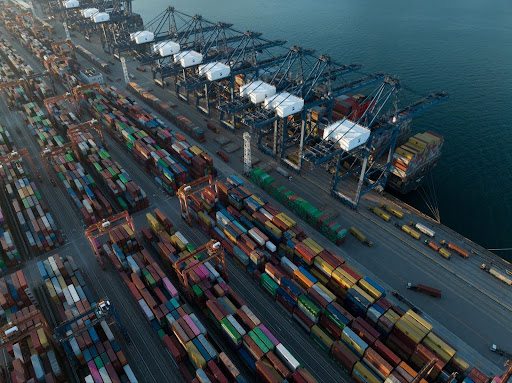
Port congestion is a growing challenge at many major terminals around the world. High traffic at container ports can delay vessel berthing, loading, and unloading. Seasonal spikes in global trade volume, such as during holiday preparation periods, often make congestion worse. In extreme cases, congestion can add five to ten days or more to total shipping time.
3. Transshipment Points
Transshipment occurs when cargo is transferred from one vessel to another at an intermediate port. While it allows flexibility in shipping routes, it also introduces delays. Each transshipment hub can add three to seven days, depending on handling efficiency and vessel scheduling. Common transshipment ports include Singapore, Dubai, and Rotterdam.
4. Vessel Type and Speed
Different types of container ships travel at different speeds. Larger vessels are often more economical but usually operate on slower schedules. Some carriers adopt slow steaming practices to reduce fuel consumption, which can extend the overall voyage time. Service frequency also plays a role. Routes with fewer scheduled sailings each week may result in longer waiting periods before a vessel is available for departure.
5. Customs Clearance Efficiency
Customs clearance procedures vary widely from country to country. Delays often occur due to incomplete or inaccurate documentation. Cargo inspections or random examinations can also increase processing time. Working with an experienced freight forwarder helps minimize delays by ensuring proper paperwork and compliance with local regulations.
6. Seasonal Factors
Certain times of year consistently affect sea freight transit times. Peak shipping seasons, such as the months leading up to year-end holidays, create backlogs at both ports and warehouses. Severe weather conditions like typhoons or storms can delay departures. Additionally, events like Chinese New Year and Golden Week in China can shut down production and port operations for days or even weeks.
7. Carrier and Service Level
Not all shipping services operate at the same speed. Premium service levels often include priority loading and fewer stops. Carrier performance and reliability also vary based on historical on-time delivery rates. Some carriers are part of global alliances, which can impact routing options and vessel availability, depending on network schedules.
8. Cargo Type
The nature of the cargo influences handling time. Standard container shipments move quickly through the system, while special cargo such as oversized equipment, temperature-controlled goods, or hazardous materials may require additional shipping documentation, inspections, or packaging standards. These added requirements can increase processing and delivery time.
What is a 3PL Logistics Provider? Advantages of Third-Party Logistics
FCL vs. LCL: Transit Time Differences
FCL (Full Container Load) shipments typically offer faster international transit times compared to LCL (Less than Container Load) because they involve fewer handling steps and no need for consolidation or deconsolidation. With FCL, the container moves directly from the shipper to the consignee, reducing delays at both the origin and destination.
In contrast, LCL cargo must be grouped with other shipments, which adds time for container loading, sorting, and distribution. LCL shipments may also face more frequent inspections and longer port stays. For time-sensitive freight shipping, FCL is generally the preferred option when volume justifies the cost.
How to Calculate Ocean Freight Shipping Time
Understanding the complete sea freight timeline requires adding up five distinct phases. Use this simple formula to estimate your total shipping duration:
Total Transit Time = Pre-shipment + Origin Processing + Ocean Transit + Destination Processing + Final Delivery
Let’s break down a real example for a shipment from Shanghai, China to Vancouver, Canada:
- Pre-shipment: 5 days (booking, documentation, container pickup)
- Origin processing: 3 days (port handling, customs clearance, vessel loading)
- Ocean transit: 14 days (actual sailing time across the Pacific)
- Destination processing: 5 days (unloading, CBSA customs clearance, container release)
- Final delivery: 3 days (drayage to warehouse in Greater Vancouver area)
- Total shipment duration: 30 days door-to-door
However, always add buffer time for unexpected delays. A conservative approach adds 15-20% to your calculation, meaning this 30-day shipment should be planned as 35-36 days.
Most ocean freight companies provide transit time estimates using carrier schedule data, but these typically only reflect the ocean transit portion. Always request a complete door-to-door estimate that includes all phases to avoid surprises and manage customer expectations effectively.
Get a custom estimate!
Frequently Asked Questions (FAQ): Sea Freight Transit Times
What is the Difference Between LCL and FCL in Ocean Freight Shipping?
LCL refers to Less than Container Load, where your cargo is combined with other shipments in one container. FCL means Full Container Load, where a single shipper uses the entire container. LCL is suitable for smaller loads, while FCL offers faster handling and fewer touchpoints.
How do Incoterms Impact International Shipping?
Incoterms define who is responsible for costs, risks, and documentation during different stages of a shipment. By clearly assigning duties between buyer and seller, Incoterms help streamline global transactions and reduce disputes in cross-border logistics.
What Affects the Cost of Shipping Freight by Sea?
Freight costs are influenced by container size, route distance, port handling fees, fuel surcharges, and the availability of space. Seasonal demand and service type also impact the total cost. Working with a freight forwarder can help identify the most cost-effective option.
Can I Track a Sea Freight Shipment?
Yes, most carriers and freight forwarders offer online tracking tools. You can monitor container movement by using the bill of lading number or booking reference. Tracking updates typically include departure, arrival, customs status, and final delivery.
What Causes Delays in Ocean Freight?
Delays can result from port congestion, customs inspections, weather disruptions, vessel rerouting, or incomplete shipping documentation. Planning ahead and choosing reliable carriers helps reduce the risk of shipping delays.
Ocean Freight Services
At Trans-Inter Logistik, we provide flexible and reliable ocean freight services as part of our end-to-end logistics solutions. Whether you require full container loads or smaller shipments, our experienced team manages each stage of the process to ensure your cargo moves efficiently across global routes.
As a trusted 3PL company, we help businesses navigate complex shipping requirements, optimize lead times, and maintain full visibility throughout the journey. Our competitive ocean freight rates are tailored to your specific cargo type, destination, and service level, allowing you to balance cost and delivery expectations with confidence.