
The terms freight and cargo show up everywhere in shipping and logistics, often in the same sentence, sometimes treated as synonyms, sometimes used to mean very different things. For most people, the distinction is fuzzy enough that it never comes up. For businesses that ship goods regularly, that fuzziness can create real confusion: misaligned quotes, miscommunication with carriers, and contracts that say one thing while invoices say another.
This guide breaks down freight vs cargo with the clarity logistics professionals use day to day: what each term actually means, how they differ by mode of transportation, where the distinction matters for your business, and how to choose the right freight services for any shipment.
Freight vs Cargo at a Glance
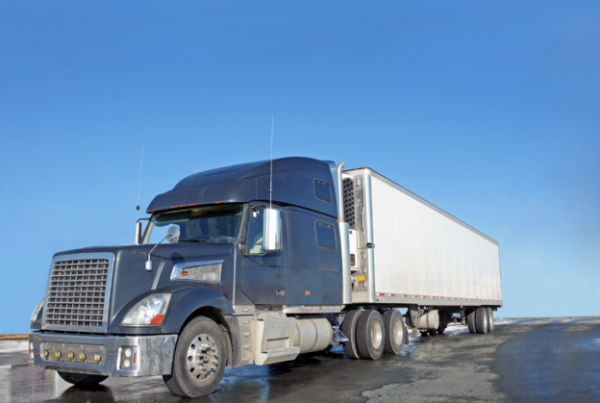
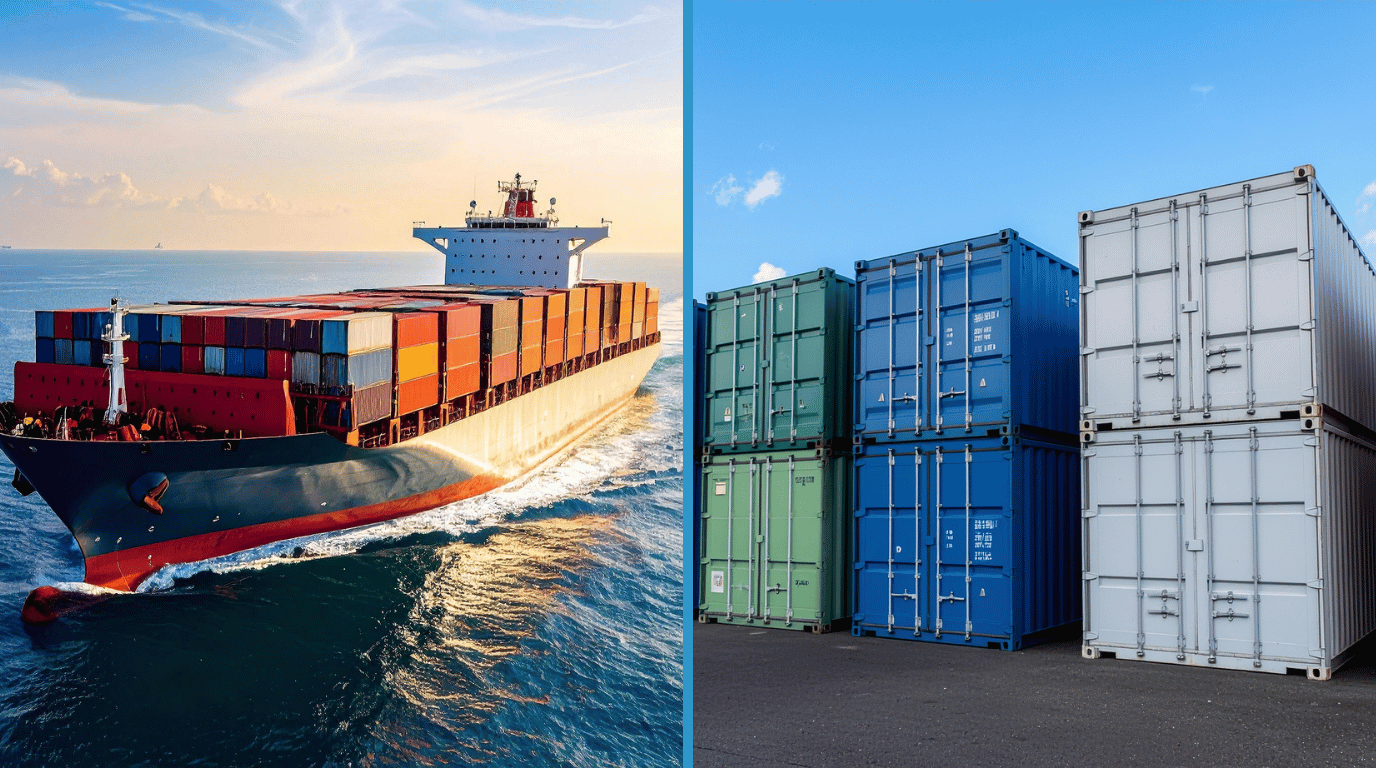
The short version is this: cargo refers to the goods being transported, while freight typically refers to the transportation of those goods, including the costs and charges involved in moving them. The two terms are used interchangeably in everyday conversation, but logistics specialists, freight forwarders, and international shippers tend to stick to the traditional meanings, which still hinge on the mode of transportation. Goods moving by truck or train are usually called freight. Goods moving by ship or plane are usually called cargo. As we will see, the lines have blurred over time, but the underlying logic still holds.
What Is Cargo?
Cargo refers to the actual goods, commodities, and products being transported from one place to another. The term is broad and covers everything from raw materials like coal, grain, and lumber to manufactured products like electronics, machinery, and furniture. Cargo can move by air, sea, road, or rail, but the word is most strongly associated with maritime shipping and air transportation.
When you think of cargo, picture the large metal containers stacked on a cargo ship or the bulk shipments loaded into the belly of a cargo plane. Containerization is one of the defining features of modern cargo: those steel boxes standardized international trade and made it possible to move enormous volumes of goods efficiently across oceans. Cargo can also be specialized, including refrigerated temperature-controlled shipping for perishables, hazardous materials handled under strict regulations, oversized industrial equipment, and high-value or fragile goods.
There is one important exception worth knowing: federally regulated mail is always called cargo, regardless of how it moves. Whether letters and parcels travel by truck, train, plane, or ship, they are categorized as cargo and never as freight. This is one of the few rules in the freight vs cargo conversation that holds without ambiguity.
What Is Freight?
Freight refers to the transportation of goods and, in many contexts, the payment, charges, or rates associated with moving them. When a business says it spent a certain amount on freight last quarter, it is referring to transportation costs, not to the goods themselves. When a logistics provider quotes a freight rate, that rate represents the price of moving cargo from origin to destination.
Freight is most strongly associated with overland transport: trucks, trains, and the supply chain infrastructure that supports them. That association is why long-haul tractor trailers are called freight trucks and locomotives pulling boxcars are called freight trains, even though both carry what is technically cargo. The terminology reflects a historical division of labor between the maritime and air industries (which adopted cargo) and the rail and trucking industries (which adopted freight).
In contemporary usage, freight has come to describe the entire commercial transportation process: the modes, the rates, the services, the documentation, and the relationships between shippers, carriers, and intermediaries like freight forwarders and brokers. Freight is typically broken down by mode: air freight, sea freight, road freight, and rail freight. Each mode has its own rate structures, transit times, regulatory requirements, and typical use cases.
Freight describes the process and cost of moving cargo, while cargo describes what is actually being moved.
The Key Differences Between Freight and Cargo
For shippers and logistics teams, four practical differences separate freight from cargo:
- Definition scope. Cargo refers specifically to the goods themselves. Freight refers to the process and service of transportation, and often to the charges paid for that service. A shipment of electronics is cargo; the cost to move that shipment is freight.
- Mode of transportation. Cargo is traditionally associated with sea and air transport, which is why we say cargo ship and cargo plane. Freight is traditionally associated with overland transport by truck and train, which is why we say freight truck and freight train. Both terms now stretch across all modes in practice, but the historical mode association is still the strongest signal in everyday usage.
- Commercial vs commodity focus. Freight has a commercial connotation, tied to the business of transportation: rates, services, contracts, invoicing. Cargo is more neutral, focused on the physical commodities or items being shipped.
- Cost association. Freight can refer to both the goods and the money charged for moving them. Cargo never refers to payment. When you see “air freight” on an invoice, it means the air transportation charge. When you see “air cargo,” it means the goods being shipped by air.
- Documentation and contracts. International trade documents, insurance policies, and transport contracts treat freight and cargo as distinct legal terms. Misinterpretation can lead to billing disputes, coverage gaps, or liability misunderstandings.
These differences matter most when communicating with carriers, freight forwarders, and freight brokers, and when reading shipping invoices line by line.
Freight and Cargo by Mode of Transportation
Every mode of transportation handles freight and cargo a little differently. Understanding the mode-specific terminology, transit times, and rate drivers is essential for choosing the right shipping solution.
Air Freight and Air Cargo
Air freight refers to the service and cost of moving goods by aircraft, while air cargo refers to the goods themselves. Air transport offers the fastest transit times in the industry, typically 8 to 72 hours for direct routes and rarely more than 7 days for the longest international corridors. The trade-off is cost: air freight rates are calculated based on chargeable weight, which is the greater of actual weight or volumetric weight, and the per-kilogram cost is significantly higher than ocean or road alternatives. Air is the right choice for time-sensitive shipments, high-value goods, and perishables that cannot survive longer transit. Our international air freight coordinates carrier selection, documentation, and routing through a single point of contact.
Ocean Freight and Sea Cargo
Ocean freight, sometimes called sea freight, refers to the maritime transportation of goods. Sea cargo is the goods themselves: containerized shipments, bulk commodities, oversized industrial equipment, and roll-on/roll-off vehicles. Ocean freight rates are typically calculated per container (FCL, or full container load) or per cubic meter for partial volumes (LCL, or less-than-container load). Transit times are long, often 13 to 15 days for major routes and up to 60 days for extended corridors, but the cost per ton-mile is the lowest of any mode. Containerization makes ocean shipping the backbone of international trade. Our maritime logistics services handle FCL, LCL, port coordination, and customs clearance for shipments moving in and out of Canada.
Road Freight and Land Cargo
Road freight covers truck-based transportation across all distances, from short regional runs to coast-to-coast long-haul moves. The two main service categories are FTL transport services (full truckload, where one shipment fills an entire trailer) and LTL freight services (less-than-truckload, where multiple shipments share trailer space). Road freight is the dominant mode for domestic and cross-border shipping across North America. Transit times depend on distance, route congestion, and border crossings, ranging from same-day deliveries to several days for transcontinental routes. For shippers weighing the choice between modes, our LTL vs FTL comparison covers the trade-offs in detail.
Rail Freight and Intermodal Cargo
Rail freight moves goods overland by train, and is particularly cost-effective for heavy, bulk, or non-urgent shipments over long distances. The most common contemporary use of rail in commercial logistics is intermodal transportation, where shipments travel by container across multiple modes (typically rail for the long haul, truck for the first and last miles). Intermodal combines the cost efficiency of rail with the door-to-door flexibility of trucking, and it has become a strategic backbone of the modern supply chain. Our intermodal transportation services coordinate rail and road handoffs for cost-effective long-distance freight.
Why the Freight vs Cargo Distinction Matters for Your Business
For casual conversation, the freight vs cargo distinction barely matters. For businesses that ship goods regularly, it has real operational consequences.
Documentation is the most concrete example. A bill of lading, an air waybill, and a commercial invoice all use freight and cargo as distinct terms. A bill of lading lists the cargo (the goods, their description, their weight, their handling requirements) and the freight terms (who pays, when, under what incoterms). Mixing the two up in a contract or insurance claim can create real liability gaps.
Communication with logistics providers is the second example. When you ask a carrier about freight rates, you are asking about transportation pricing. When you ask about cargo handling, you are asking about how the goods themselves will be managed: loading, securing, climate control, customs clearance. Different questions, different answers, different conversations. Carriers, freight forwarders, and freight brokers each operate in specific lanes of the broader logistics ecosystem, and using precise language helps you get the right partner for the right job. For a deeper look at one of those roles, see our guide on what a freight forwarder does.
The third example is insurance and risk. Cargo insurance covers the goods themselves against damage, loss, or theft during transit. Freight charges, freight surcharges, and freight liability are separate categories with their own coverage structures and limits. Knowing which is which protects your business from coverage gaps that surface only after a claim is filed.
The clearer your terminology, the cleaner your contracts, the fewer your billing disputes.
Choosing Between Freight Services for Your Shipment
Once you understand the freight vs cargo terminology, the practical question becomes which freight service fits your specific shipment. Five factors typically drive the decision:
- Urgency. Time-sensitive shipments push toward air freight. Flexible timelines open the door to ocean freight, rail, or intermodal at lower cost.
- Volume and weight. Small parcels move well by air or LTL. Pallet-scale shipments favor LTL or FTL. Container-scale shipments favor FCL ocean or intermodal rail.
- Distance and destination. Domestic shipments within North America are usually best served by road freight. International shipments lean toward ocean for cost or air for speed. Movements between Canada, the United States, and Mexico benefit from specialized cross-border shipping services familiar with customs and regulatory requirements at each border.
- Cargo type. Perishables, pharmaceuticals, and temperature-sensitive goods often require air freight or refrigerated road freight. Hazardous materials require certified carriers and mode-specific compliance. High-value or fragile cargo favors faster, more secure transit.
- Budget. Cost-effective transportation is rarely about choosing the cheapest mode in isolation. The right mode is the one that balances rate, transit time, reliability, and cargo handling requirements for your specific shipment.
For shippers comparing the two most-debated modes, our air freight vs ocean freight comparison walks through how the modes stack up on cost, speed, capacity, and environmental impact.
Move Your Freight With Trans-Inter Logistik
Trans-Inter Logistik has operated as a freight broker and logistics partner for over 25 years, coordinating shipments across road, rail, air, and ocean for Canadian, American, and international businesses. Whether your shipment is cargo destined for an international port or freight moving overland between provinces, our team handles carrier selection, documentation, customs clearance, and real-time tracking through a single point of contact.
Our carrier network covers every major mode and the specialized capabilities most shippers eventually need: cross-border services into the United States and Mexico, time-sensitive air freight, FCL and LCL ocean shipments, and intermodal solutions for cost-effective long-distance freight. Every quote we issue is transparent and itemized, with no hidden fees and clear breakdowns of base rates, surcharges, and accessorial charges.
Ready to Optimize Your Freight Shipping?
Whether your shipment is cargo or freight, by air, sea, road, or rail, our team has the expertise to move it efficiently. Request a transparent, itemized quote today.
Frequently Asked Questions About Freight and Cargo
Are freight and cargo the same thing?
Not exactly, although they are often used interchangeably. Cargo refers to the actual goods being transported. Freight refers to the process and cost of transporting them. In casual conversation the two are treated as synonyms, but in contracts, invoices, and insurance documents they carry distinct meanings.
Is air cargo the same as air freight?
The terms describe two sides of the same shipment. Air cargo is the physical goods moving by aircraft. Air freight is the transportation service and the rate charged to move them. Air freight rates are typically calculated based on chargeable weight, which compares actual weight against volumetric weight and uses whichever is greater.
Why is mail always called cargo and never freight?
Federally regulated mail, including bundled letters, parcels, and packages, is categorized as cargo regardless of the mode of transportation that moves it. This convention dates back to the historical separation between postal services and commercial freight carriers, and it has held even as transportation modes have converged. Mail moving by truck, train, plane, or ship is always cargo, never freight.
Does the freight vs cargo distinction affect my shipping cost?
It can, indirectly, by clarifying what you are actually paying for. A freight rate covers transportation: the mode, the route, the carrier, the surcharges. Cargo charges, when they appear separately, usually cover handling, packaging, or specialized services applied to the goods themselves. Knowing the difference helps you read invoices accurately and challenge line items that do not match what was quoted.
Do I need a freight forwarder or a freight broker?
It depends on the complexity of your shipment. A freight broker connects shippers with carriers and coordinates road, intermodal, and domestic transportation, without taking physical possession of the cargo. A freight forwarder handles international shipments end to end, often taking liability for the cargo, consolidating shipments, and managing customs clearance and documentation. Many Canadian businesses moving freight across North America work primarily with a freight broker, while those importing internationally rely on a freight forwarder.