
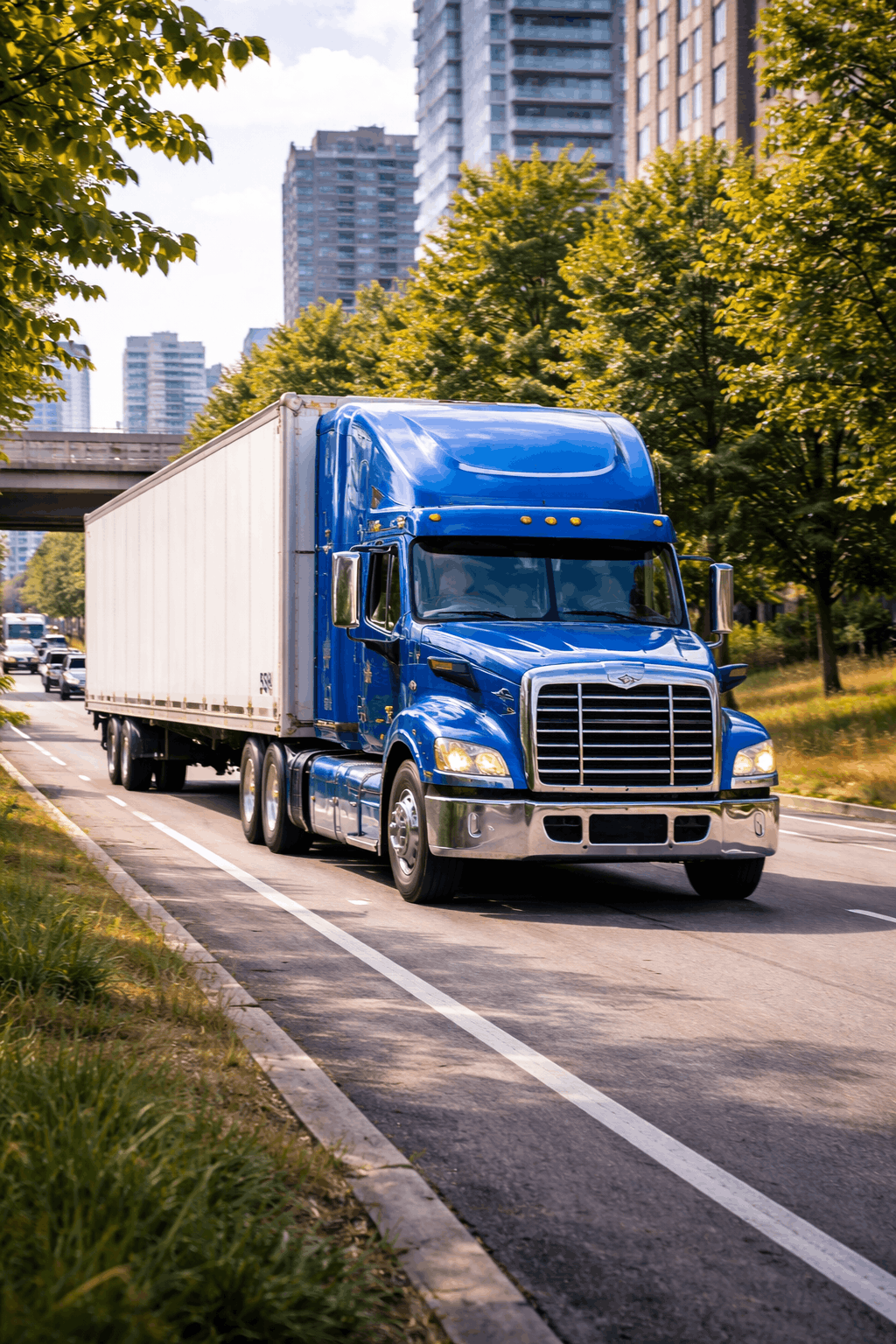
Fresh products, meat, dairy and frozen food travel by temperature-controlled shipping, always as a full truckload (FTL). A truck dedicated to your freight alone, with no transloading, is planned with no door openings before destination, to protect the cold chain.
Your food leaves with the right carrier, at the right temperature, with the right paperwork.
Based in Laval for more than 25 years, Trans-Inter Logistik coordinates your food shipments across Canada, the United States and Mexico through its network of vetted carriers, with a free quote before every shipment.
Our food freight services
We handle your entire shipment: mode selection, carrier selection, temperature instruction and delivery documents. As a freight broker, we coordinate through our carrier network: the fleet, the trailers and the drivers are theirs; the choice and the follow-up are ours.
Food that travels well starts with a well-written instruction.
Dry goods and beverages by FTL or LTL
Canned goods, flour, cereals, snacks and beverages travel dry, as a full truckload or as less-than-truckload (LTL) when your volumes do not fill a trailer. In winter, beverages and liquids at risk of freezing leave with freeze protection specified to the carrier.
Imported food by container or by air
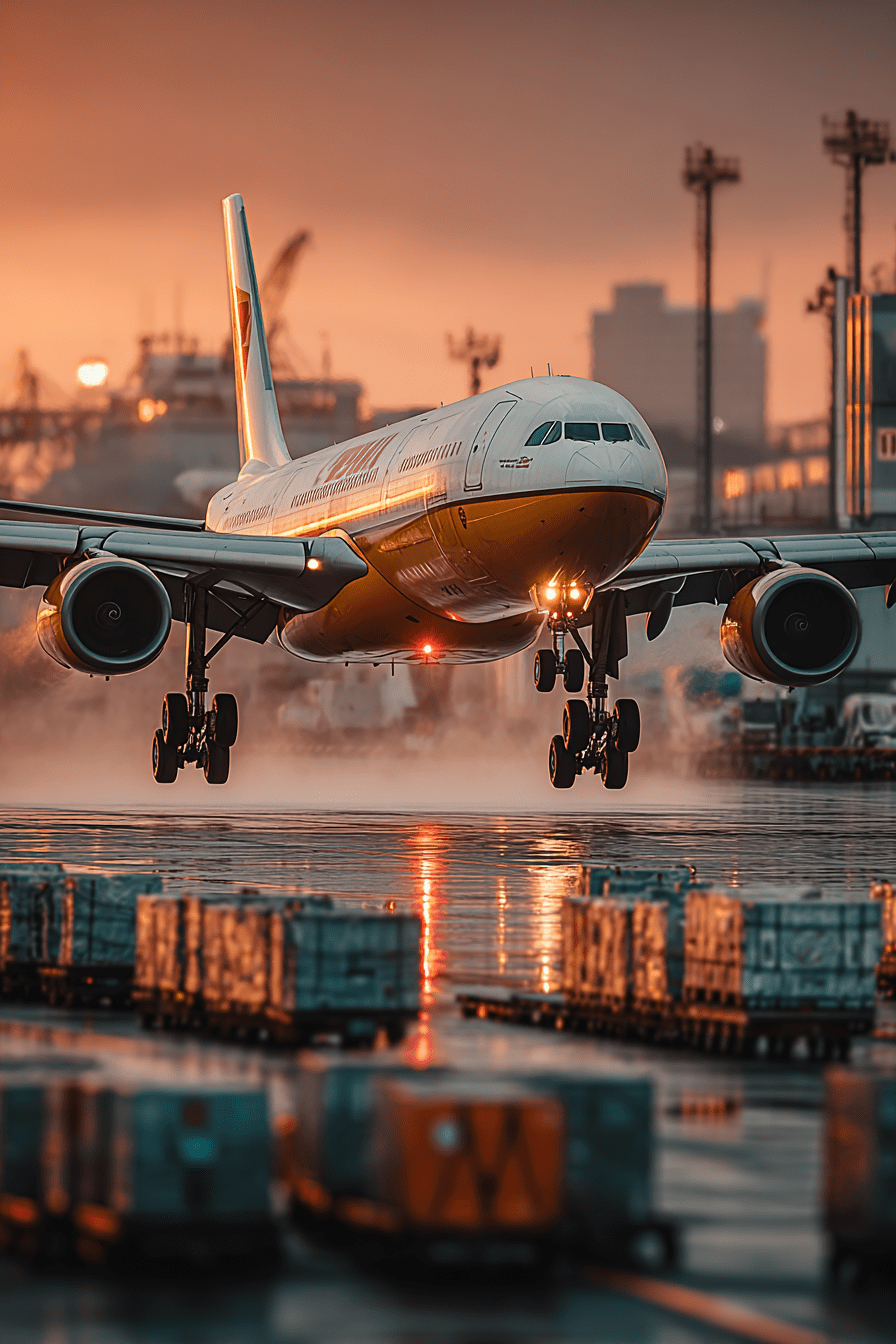
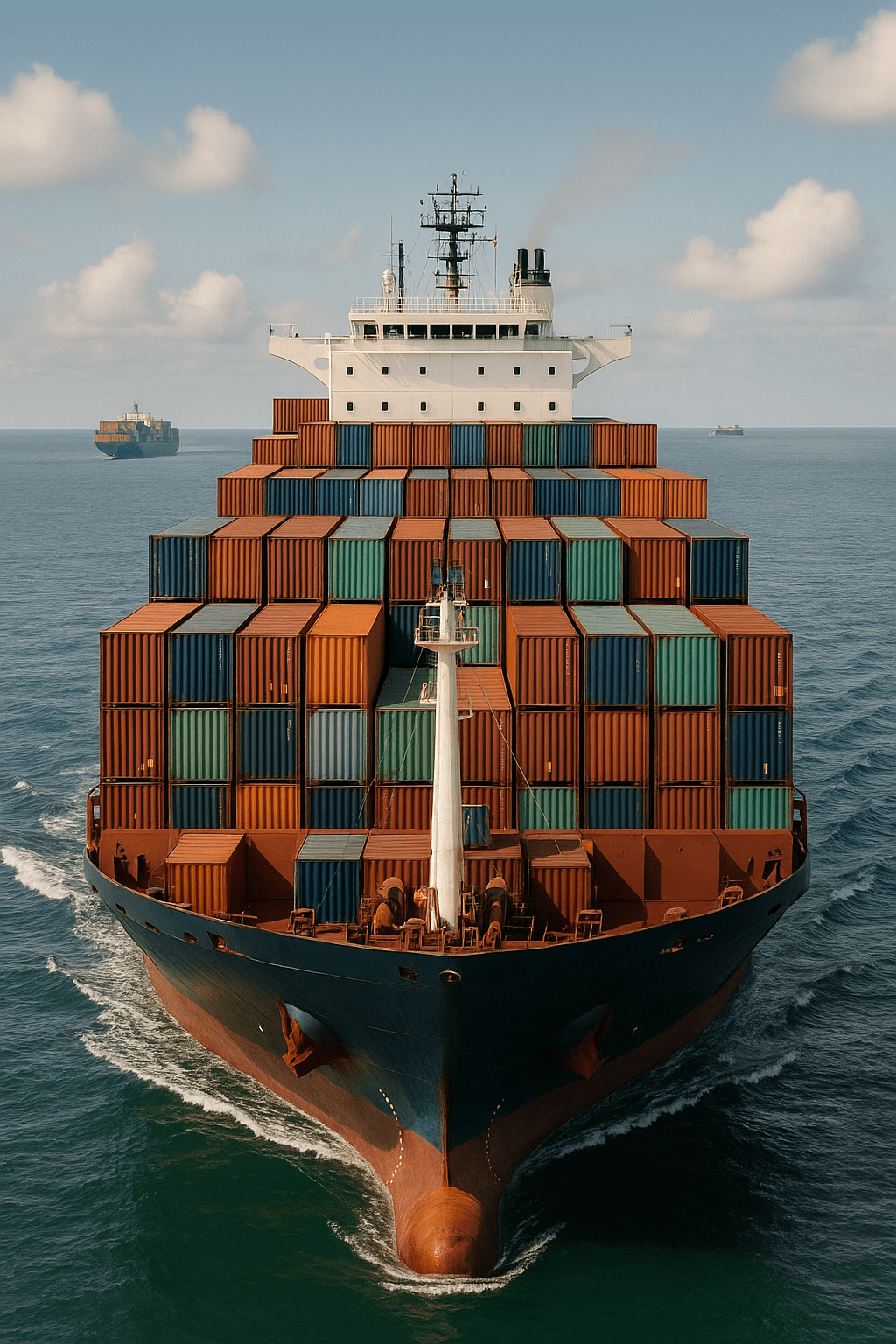
For your imported food, we coordinate the ocean freight to the port, then the truck to your warehouse. Our import from Asia service adds quality control at the supplier; for a fresh product with a short shelf life, air freight takes over. Customs clearance goes through the licensed customs brokers we work with.
The food products we move
Every category of perishable or dry food has one dominant constraint, and that constraint decides the equipment needed to protect the integrity of the product.
- Fresh products: dairy, meat, seafood, fruit and vegetables, in refrigerated transport above the freezing point.
- Frozen food: ice cream, prepared meals, frozen meat and fish, in a trailer set below zero.
- Dry goods: canned goods, flour, cereals, pasta and snacks, sheltered from moisture and cross-contamination.
- Beverages: water, juice, beer and soft drinks, which often reach the weight limit before the trailer is full and must not freeze in winter.
Fresh and frozen loads can share a multi-temperature trailer with bulkheads on the same trip. The carrier then confirms both zones and their setpoints to us before booking.
Food temperature: the written instruction
Temperature is decided before pickup, not at the receiving dock. We set it with you, we put it in writing and we see that it is followed.
Setpoint and trailer pre-cooling
We ask that the bill of lading state the operating temperature: the setpoint, the accepted tolerance and the pre-cooling of the trailer before loading. The carrier leaves with a precise instruction; you keep a written record if the product arrives out of range.
MAPAQ and CFIA temperature thresholds
In Quebec, the Regulation respecting food, enforced by MAPAQ, Quebec’s ministère de l’Agriculture, des Pêcheries et de l’Alimentation, requires food subject to deterioration by heat, except fresh whole fruits and vegetables, to stay at 4°C or less until it is delivered to the consumer; a frozen product, at -18°C or less. At the federal level, section 72 of the Safe Food for Canadians Regulations (SFCR) calls for a conveyance capable of maintaining the temperature appropriate for the food and, if necessary, of recording it.
These obligations fall on the shipper and the receiver, who pass them on to the carrier. Our role: choose a carrier equipped to meet them, and send you its temperature records.
Our 5-step food shipping method
The same sequence for one pallet of canned goods or a full trailer of frozen food:
- You share the details. Product, temperature range, number of pallets, weight, origin, destination and dock appointment times.
- We choose the mode. Refrigerated or dry, full or partial load, road, intermodal, or air for an urgent order, based on shelf life and your delivery deadlines.
- We vet the carrier. Safety ratings, insurance, trailer cleanliness, reefer unit maintenance and an on-board temperature recorder: that is our definition of a vetted carrier.
- We pass on the instruction. We ask the carrier to write the setpoint, the pre-cooling and the food safety requirements on the bill of lading before pickup.
- We follow the load to the dock. Tracking en route, exception handling, delivery planned for the distribution centre’s appointment, proof of delivery and a temperature record when your customer requires one.
Your e-commerce freight broker
Ready to plan your next inbound shipment? Send us your volumes and your dates: we come back with the right mode and a detailed quote, with no obligation.
Food traceability and shipping documents
Made under the Safe Food for Canadians Act, the SFCR require traceability documents from any business that sends food from one province to another, imports it or exports it: one step back to the immediate supplier, one step forward to the immediate customer. These documents are kept for two years and handed over on request from the Canadian Food Inspection Agency (CFIA), normally within 24 hours.
On every shipment, we give you what supports your traceability: the signed bill of lading, the proof of delivery and the temperature record. In a food recall, these are the documents that place your lot between pickup and your customer's dock.
Shipping food to the United States
For shipments to the United States, the FDA's Sanitary Transportation of Human and Animal Food rule (FSMA, 21 CFR Part 1, Subpart O) also covers Canadian shippers who deliver by truck or by rail. Its definition of the shipper names the freight broker who arranges the transportation; it is the shipper who specifies the operating temperature to the carrier in writing, pre-cooling included. On our loads to the United States, we ask that this instruction appear on the bill of lading.
The carrier must be able to show, at the receiver's request, that it maintained that temperature: we ask it for the record before we close the file. For the border crossing, we work with licensed customs brokers; our cross-border shipping page details the documents to prepare.
Food freight cost factors
The rate on a food shipment is built on factors we show you in the quote:
the temperature range, since frozen loads work the reefer unit harder and draw on scarcer trailer capacity;
the mode (full or partial load) and the number of pallets to consolidate;
the season, as the harvest peak tightens refrigerated capacity in Quebec;
the corridor, the empty backhaul and the fuel surcharge;
dock wait time and the temperature record requirements.
Our article on what road freight costs in Canada lays out the mechanics; cargo insurance protects the value of your shipment in case of loss.
Why trust Trans-Inter Logistik with food shipments
- More than 25 years of brokerage experience. We coordinate freight across Canada, the United States and Mexico from our offices in Laval.
- Vetted carriers. Safety ratings, insurance, claims history and food safety standards, among them the carrier’s HACCP certification, which we check before loading: reliability gets verified ahead of time.
- Several fleets rather than one. At harvest peak or on the eve of a holiday, when the first carrier we call is full, we find another qualified one in the network.
- One logistics partner. From refrigerated to dry, from Quebec to Ontario and the United States, the same team follows your loads throughout your supply chain.
More than 25 years of planning your food freight, from setpoint to appointment.
Food freight across Canada
We arrange pickups at Quebec food processors and food distributors, from SMEs to large networks, then delivery anywhere in Canada, the United States and Mexico. Our local freight broker pages cover, among others, Montreal, Quebec City, Toronto and Vancouver.
FAQ: food freight broker
What does a freight broker do for the food industry?
It finds and coordinates the carrier that suits your food: refrigerated or dry, full or partial load. At Trans-Inter Logistik, that includes vetting the carrier, giving the carrier the temperature instruction in writing, tracking en route and handing over the delivery documents. The transport itself is performed by the carriers in our network, with their own equipment.
Does Trans-Inter Logistik own refrigerated trucks?
No. A freight broker for more than 25 years, we choose for each load the vetted carrier in our network whose reefer trailer, availability and corridor suit your food. The advantage is access to several fleets rather than just one, especially at harvest peak, when refrigerated capacity gets scarce in Quebec.
At what temperature should food be shipped in Quebec?
Quebec’s Regulation respecting food sets 4°C or less for food subject to deterioration by heat, except fresh whole fruits and vegetables, until delivery to the consumer. A frozen product must stay at -18°C or less. In practice, the right setpoint depends on the product: we have the shipper specify it before we book the trailer.
Does a food carrier need a CFIA licence?
According to the CFIA, transporting food, with or without temperature control, requires no licence. The operator who ships or receives must still make sure the conveyance is appropriate and presents no risk of contamination to the food. That operator can therefore ask the carrier for evidence, such as trailer cleanliness and temperature records. We obtain it for you.
Do you handle customs clearance for imported food?
No: we work with licensed customs brokers for that step. Our part is coordinating the transport: the container or the trailer to the port of entry, the border crossing with your customs broker, then delivery to your warehouse. The importer keeps its own obligations, including the traceability documents the SFCR require.
Can food ship as a partial load?
Yes, for dry goods and beverages that travel at ambient temperature: LTL shares the trailer and the cost with other shippers. For refrigerated and frozen freight, we coordinate full truckloads only, because one more stop means one more door opening, and so more ambient air on your cargo.
Who decides what happens to a lot after a temperature excursion?
The shipper or the receiver, depending on your agreement. As soon as the alert comes in, we ask the carrier to correct the refrigeration or to reroute the load to cold storage, then we document the event with the temperature record. Keeping, quarantining or destroying the lot is their call. Cargo insurance and carrier liability come into play after that.
How long should food shipping records be kept?
In Canada, the SFCR require traceability documents to be kept for two years after the food is provided, and accessible in Canada. For shipments to the United States, the FDA’s sanitary transportation rule requires the parties it covers to keep their records for 12 months beyond the end of the agreements or procedures. We give you the bill of lading, the proof of delivery and the temperature record for your files.
Your food freight, end to end
Send us the product, the number of pallets and the route, and we propose the carrier and the setpoint that fit.